


Why longevity is the new sustainability in furniture
Estimates of a sofa's lifespan run from seven to seventeen years. What does this tell us about sustainability, and about our way of life?
Why longevity is the new sustainability
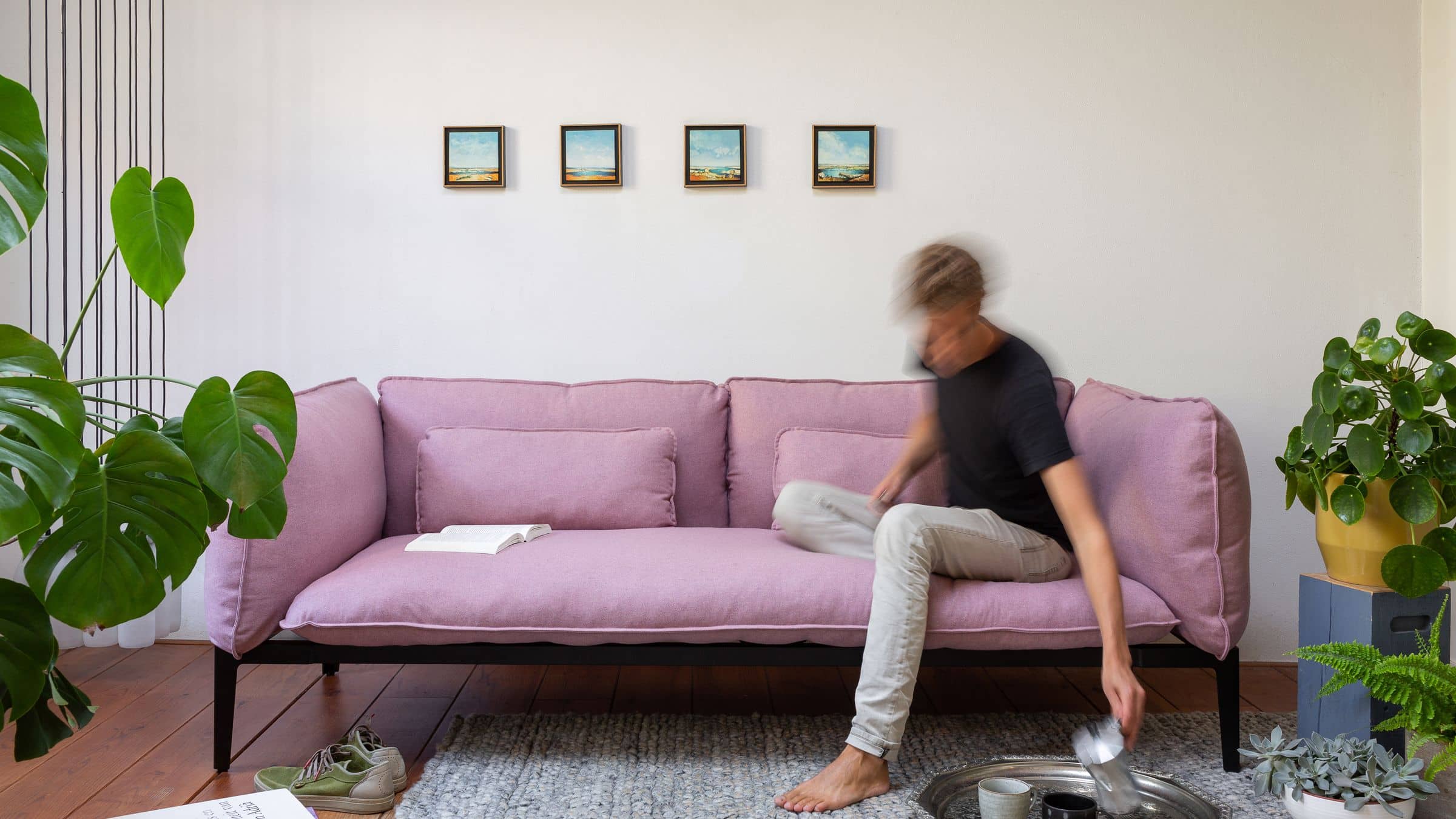
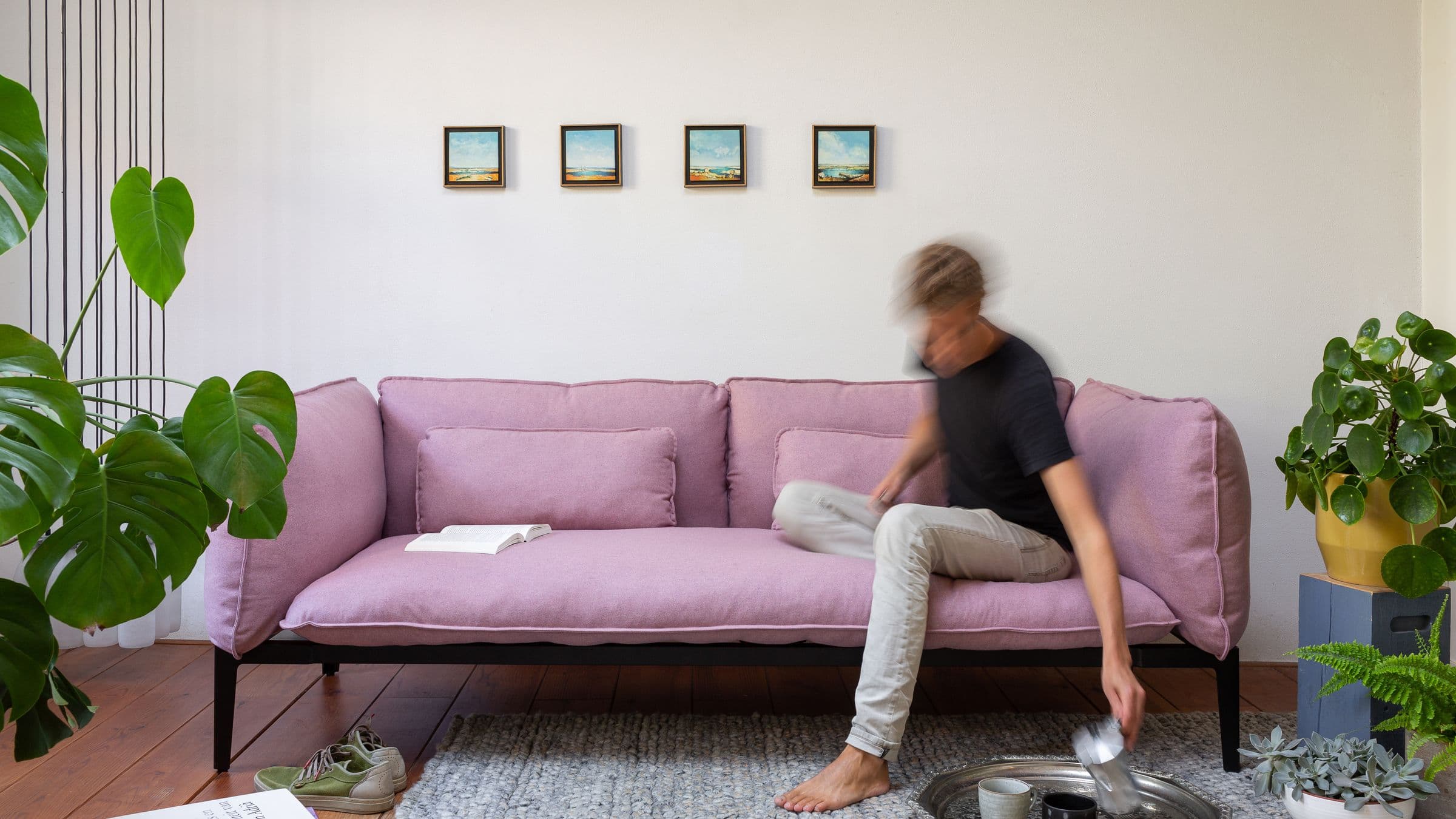
In the 1990s, when I was still a kid, my parents bought a sofa. They still have it. Today, such a story feels almost unimaginable. On average, a user currently discards her fast furniture-sofa after just seven years. This period of use is becoming shorter every year. [1]
What does this tell us about sustainability? About our way of life? It's not just about materials or label, it's about time, care, and connection.
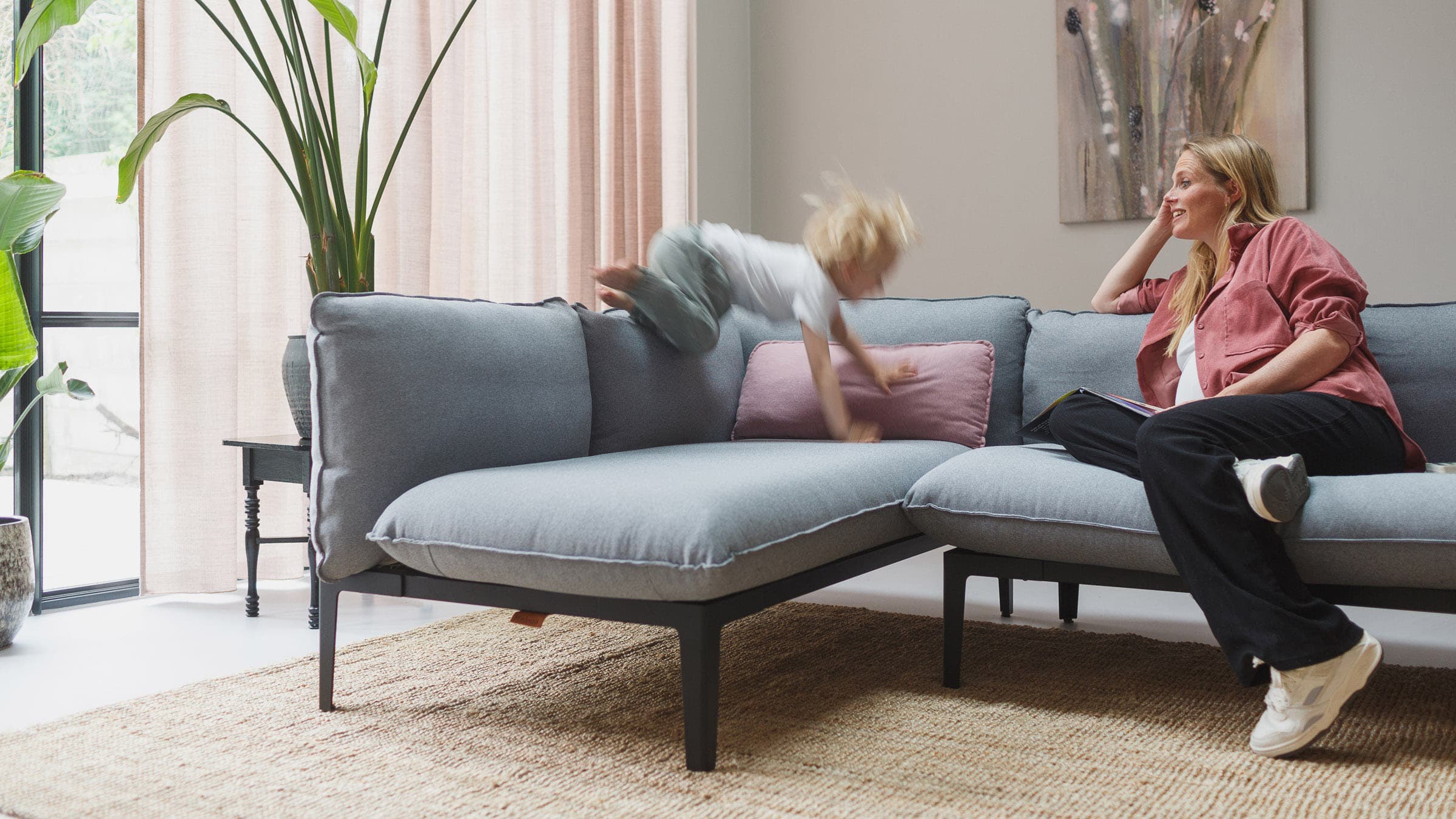
The hidden impact of short-lived furniture
Every sofa that's discarded is a bundle of energy, labour, raw materials, and transport that's lost. In the European Union, 10 million tonnes of furniture are discarded every year, most of it destined for landfill or incineration. [2]
But it goes beyond environmental impact. Short-lived furniture also affects our daily lives. Buying a new sofa again and again means paying again, arranging transport, adjusting to new comfort. The ritual of home becomes ever shorter.
The emotional value of a lifelong sofa
Longevity also has a psychological component. Think of those moments sitting on the sofa when memories come back: the first birthday party, a deep conversation with a friend, or just a lazy Sunday afternoon.
Short lifespan means these stories are constantly interrupted. A Kairos sofa becomes a living archive of your life, something you can build on and enjoy.
Five pillars: washable, refillable, modular, repairable, circular
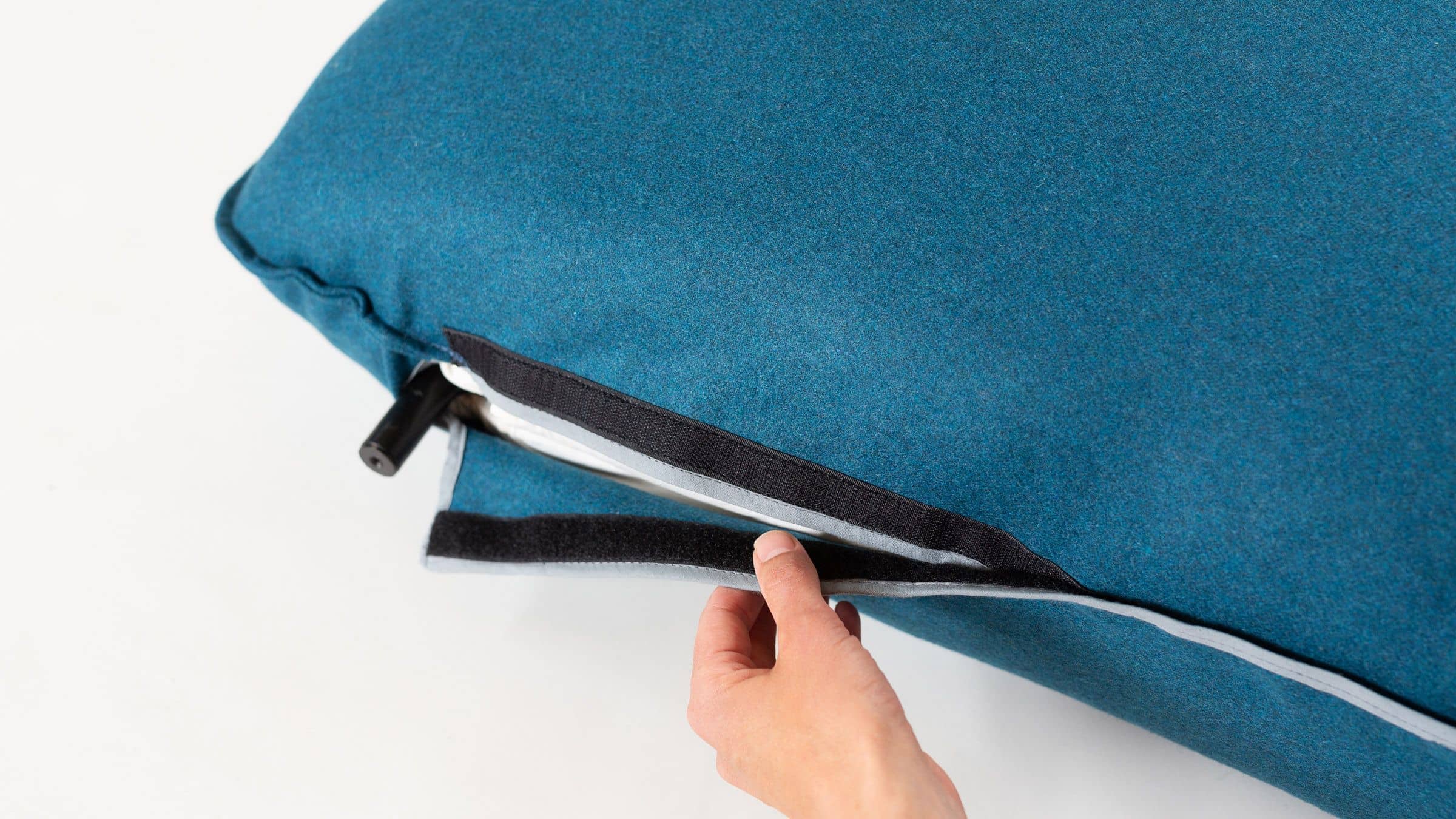
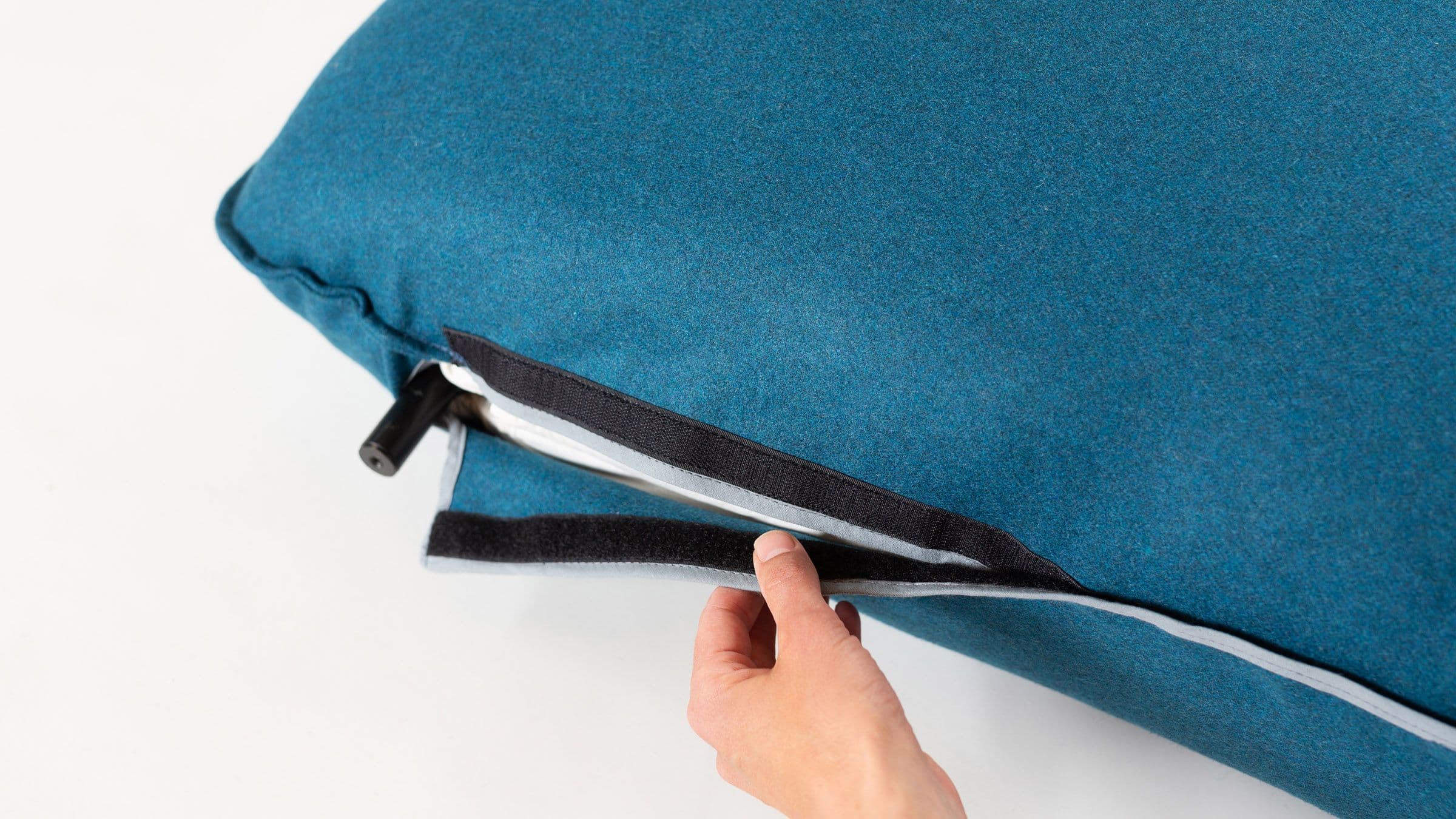
Kairos translates longevity into concrete choices. Washable covers keep the sofa fresh for years. Refillable cushions ensure comfort doesn't fade. The modular design makes the sofa future-proof.
Simple repairs extend the lifespan. And the circular program ensures that even at the end, raw materials aren't lost. It's a complete lifecycle approach.
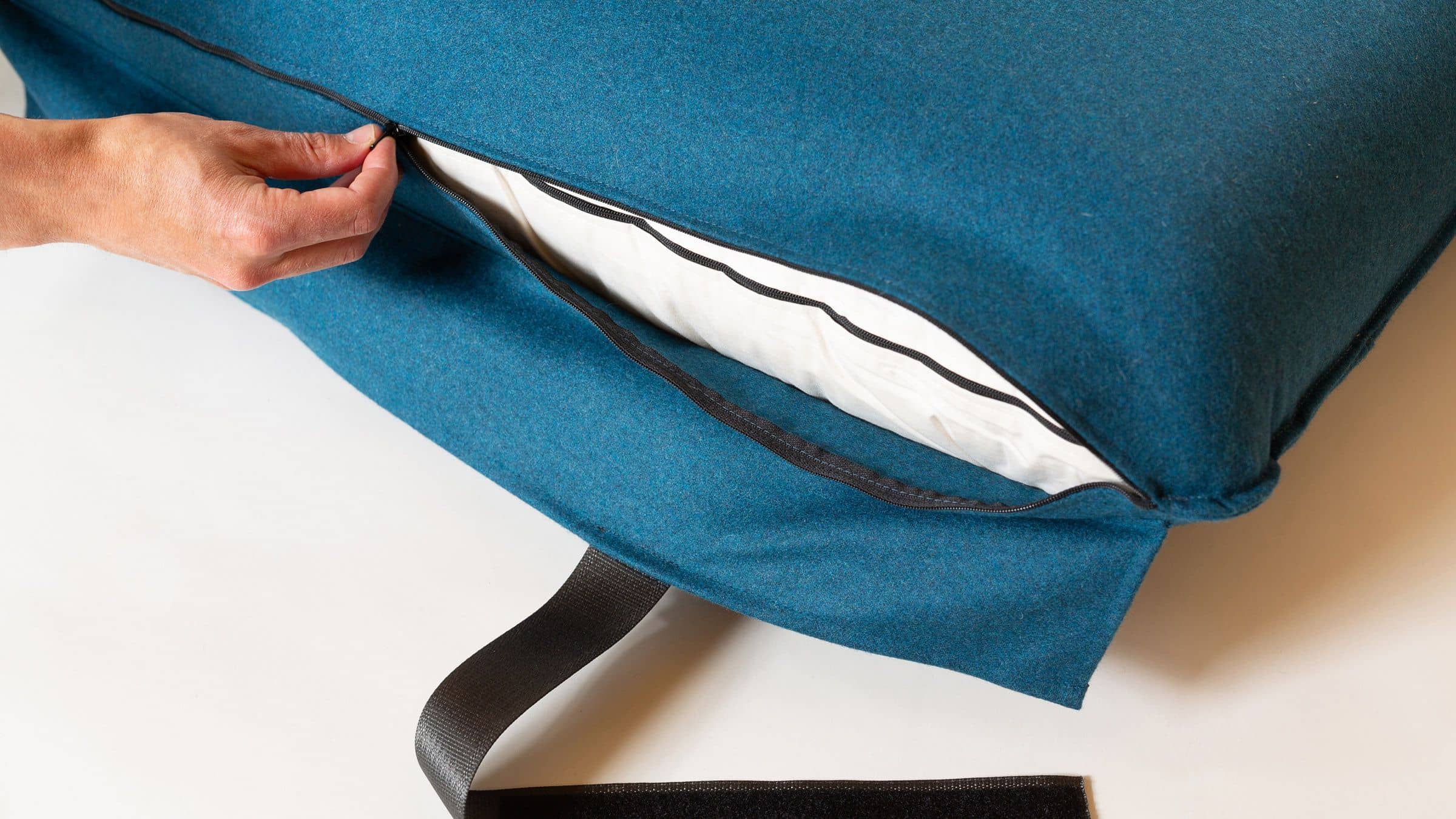
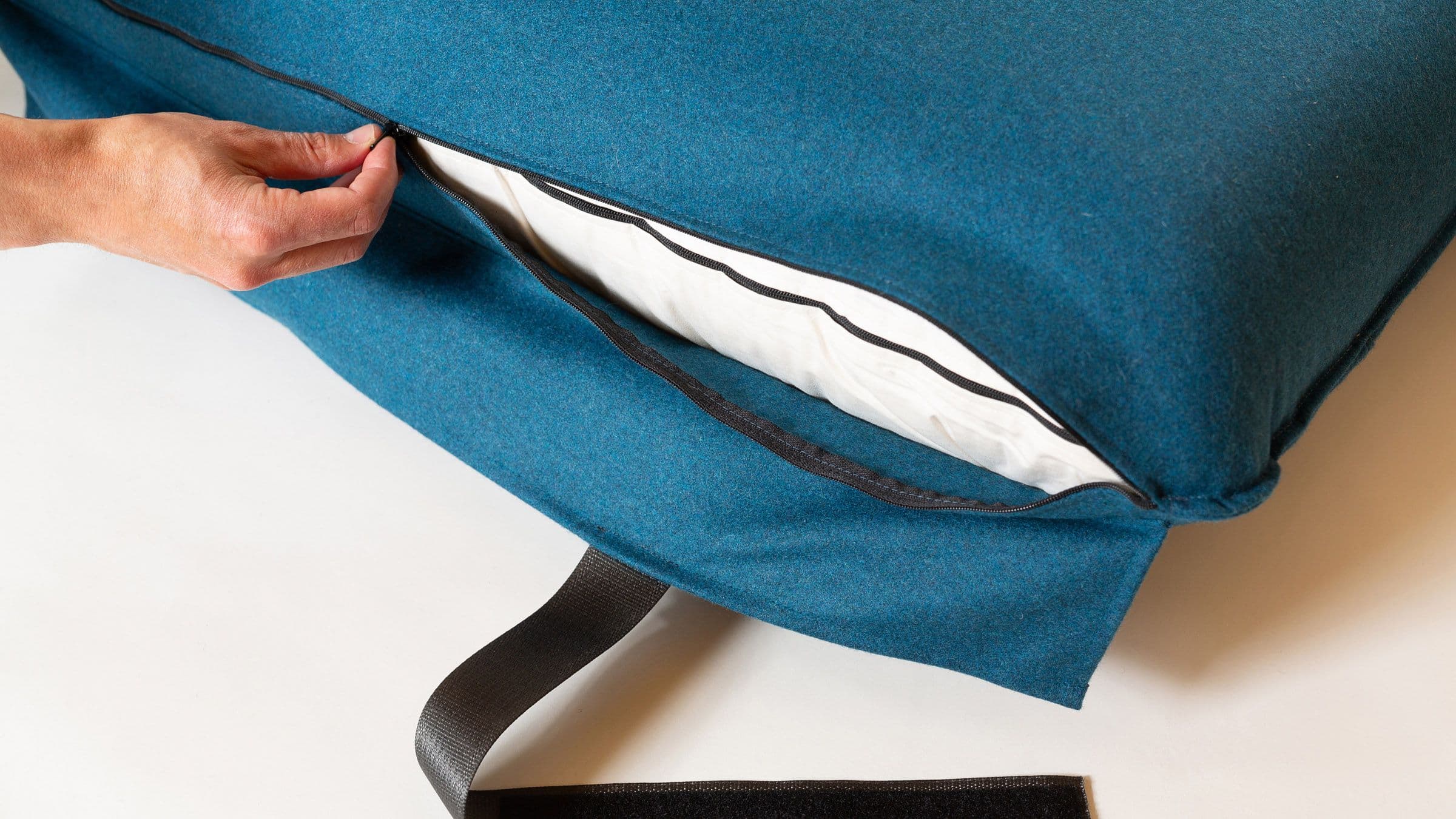
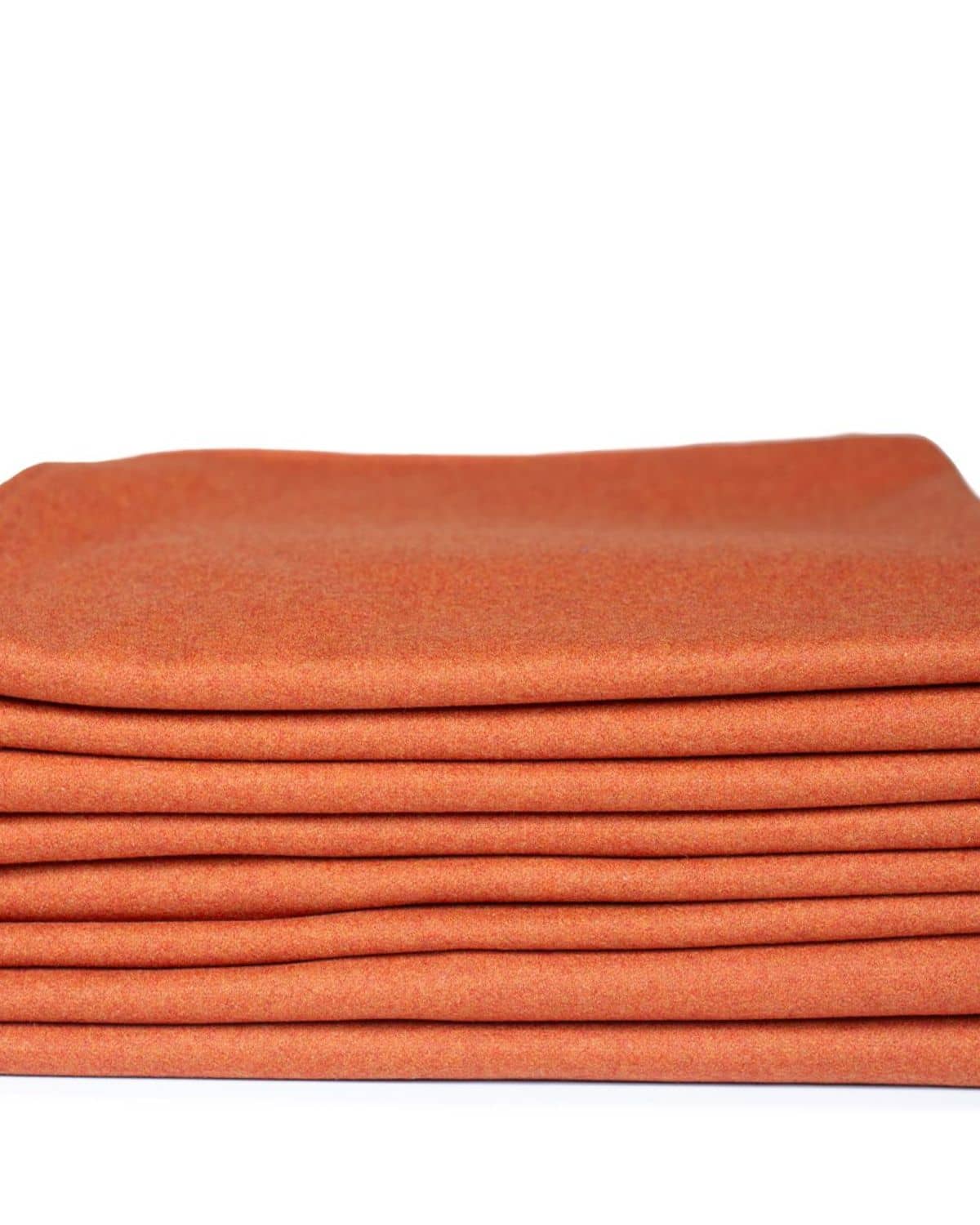
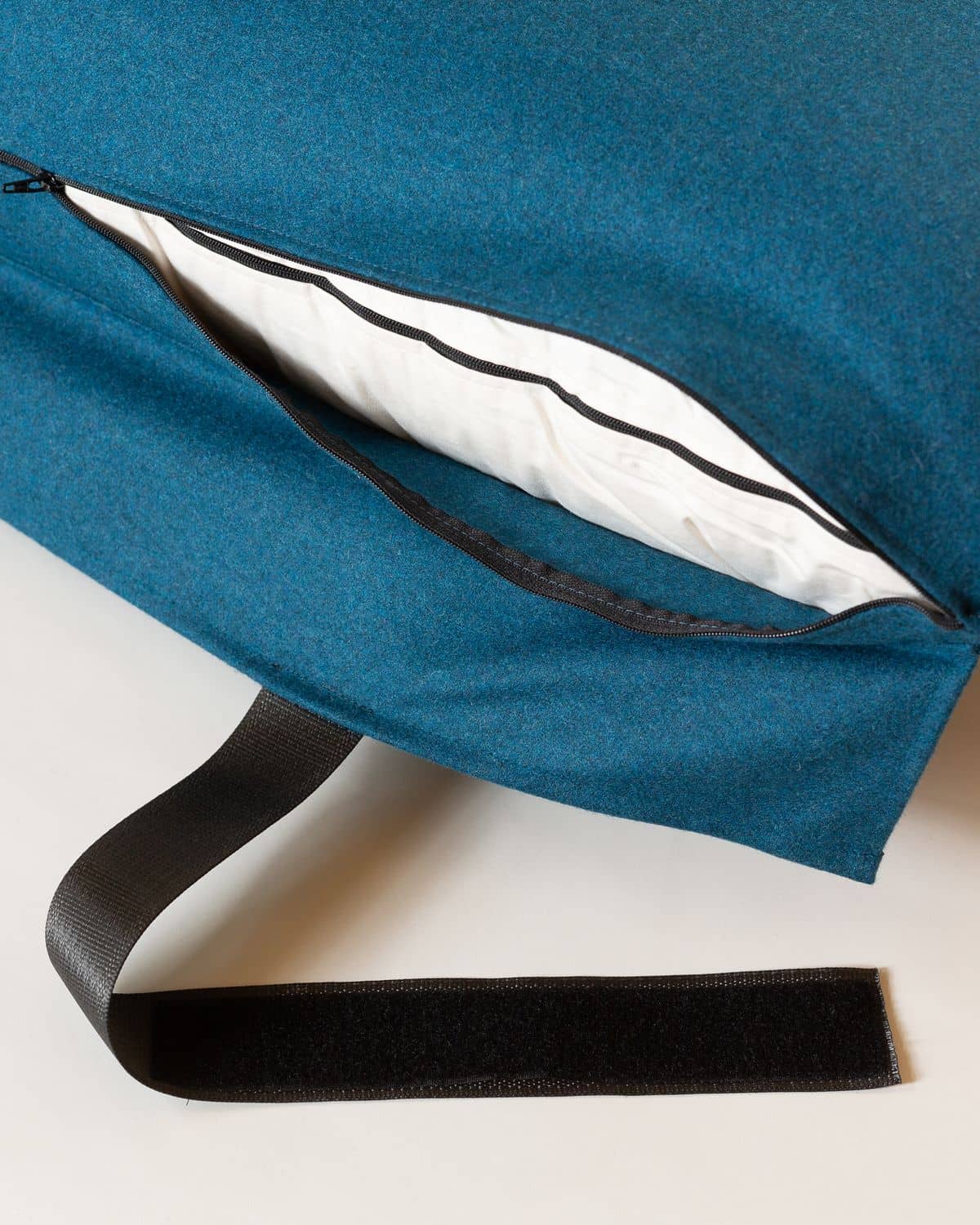
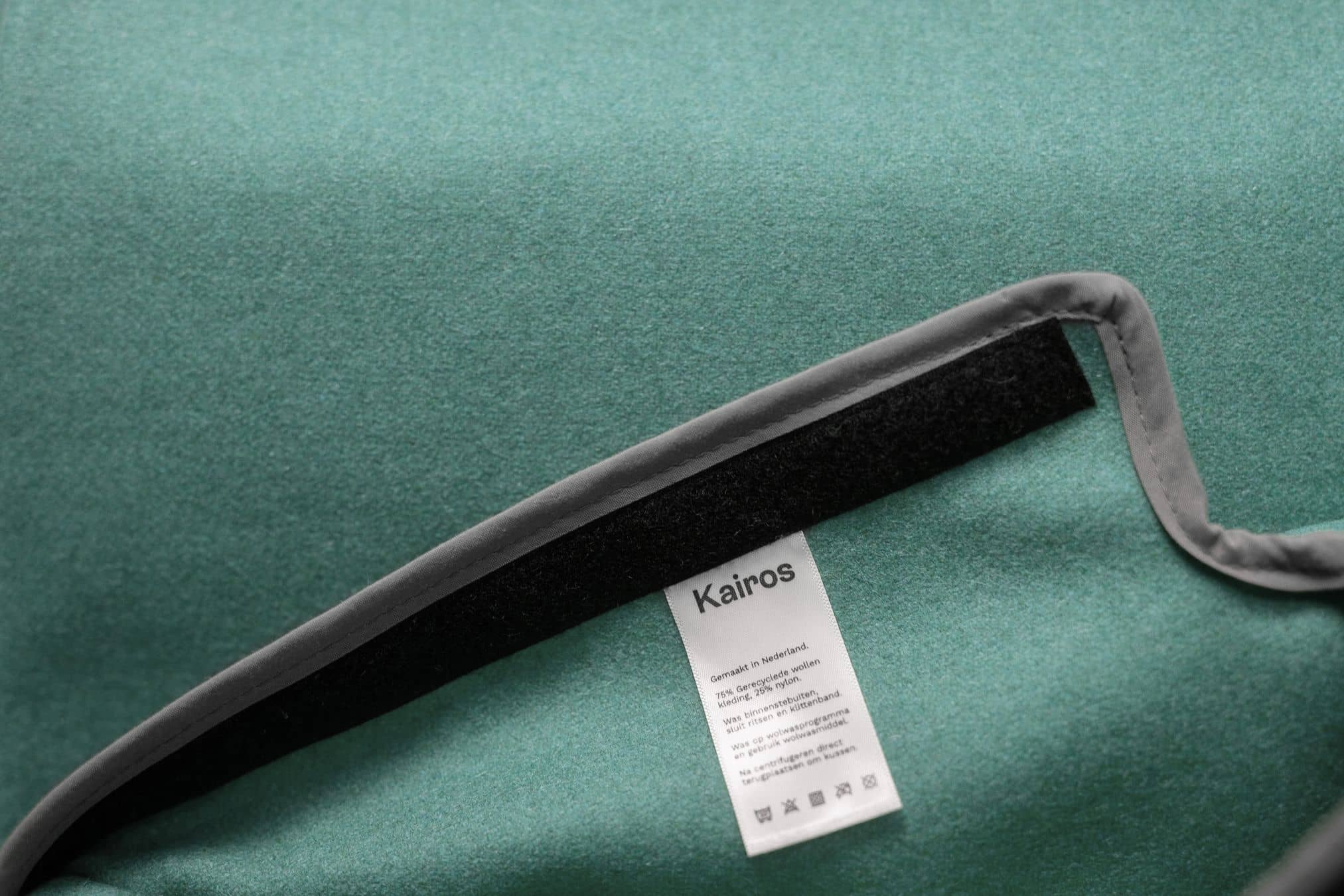
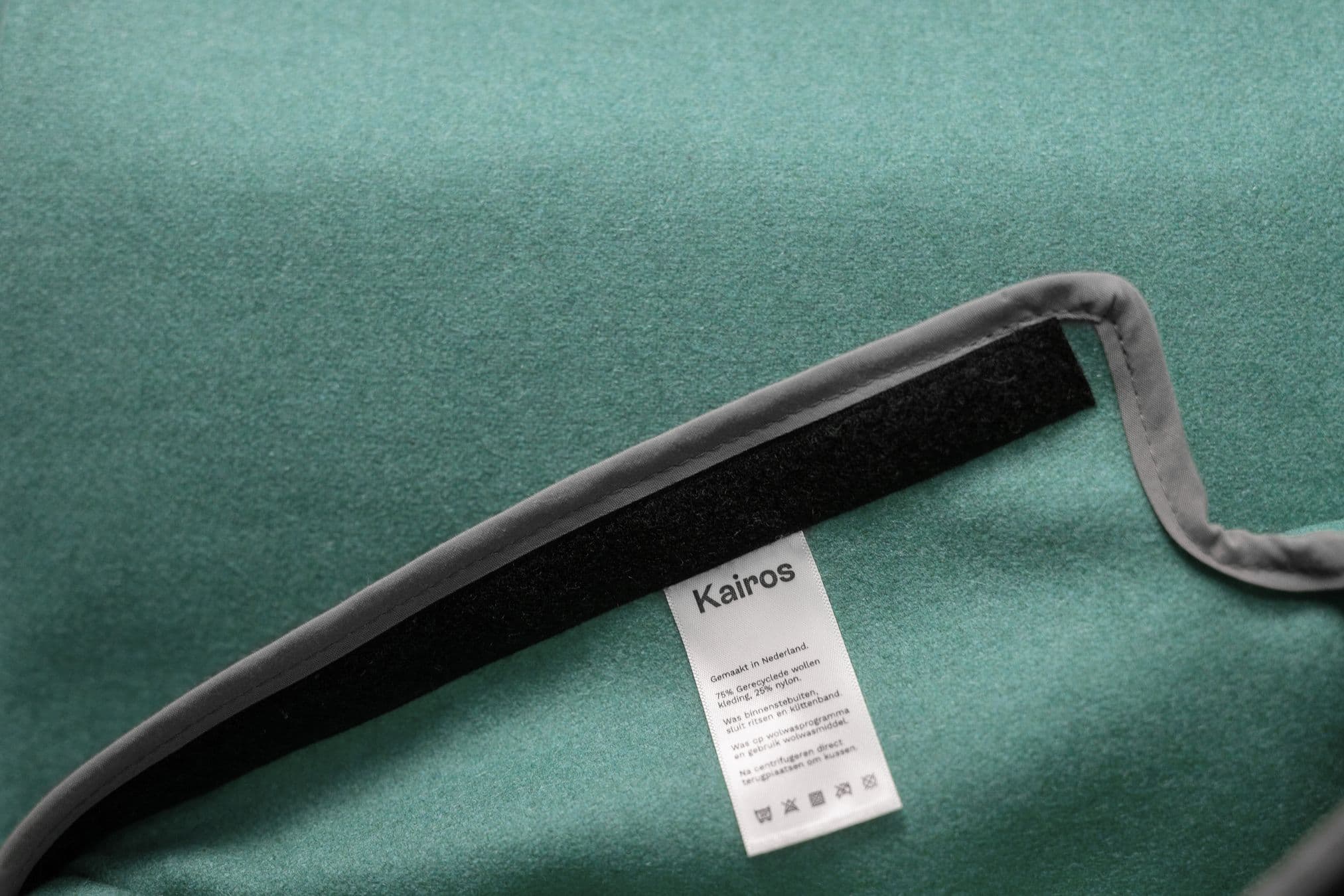
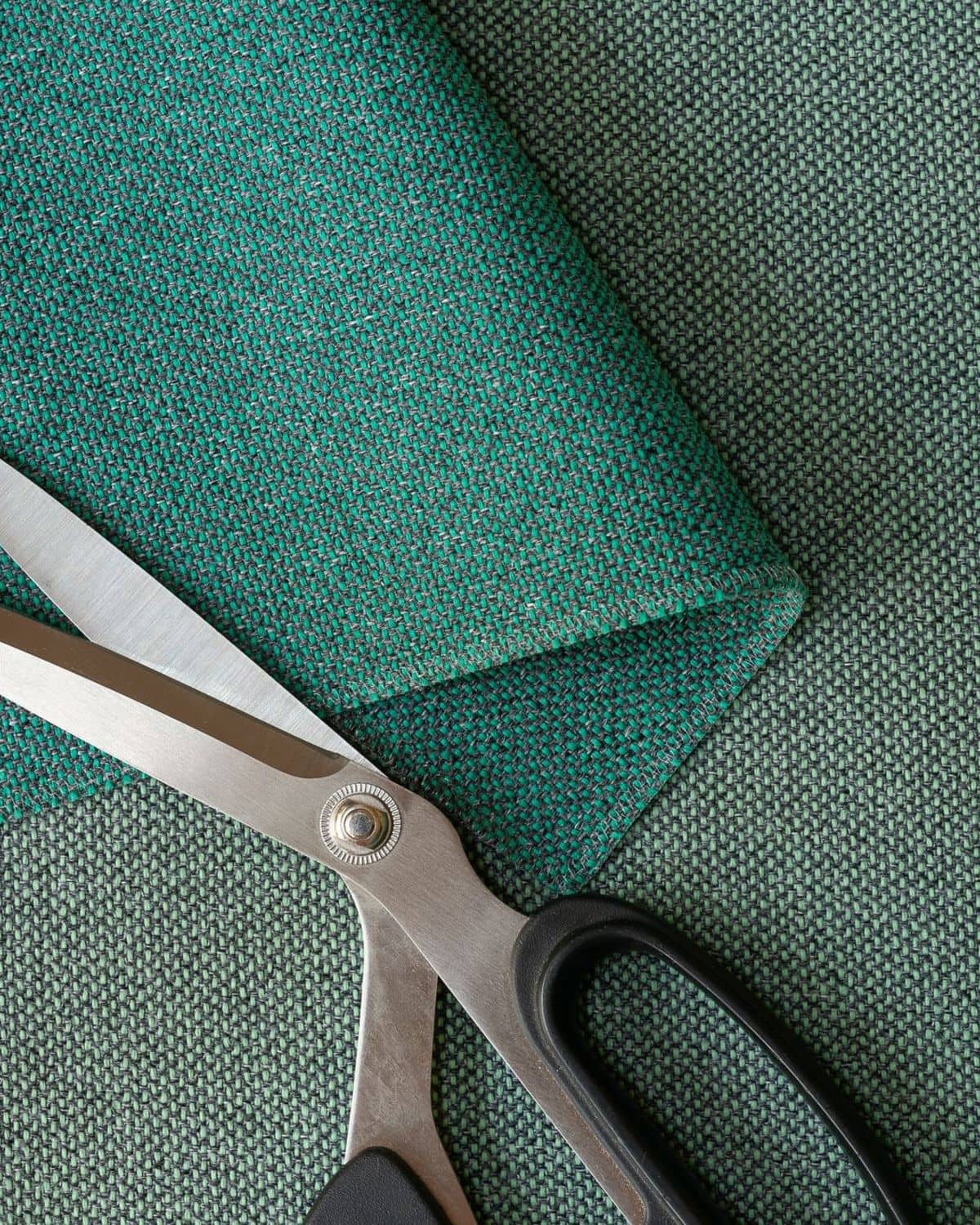
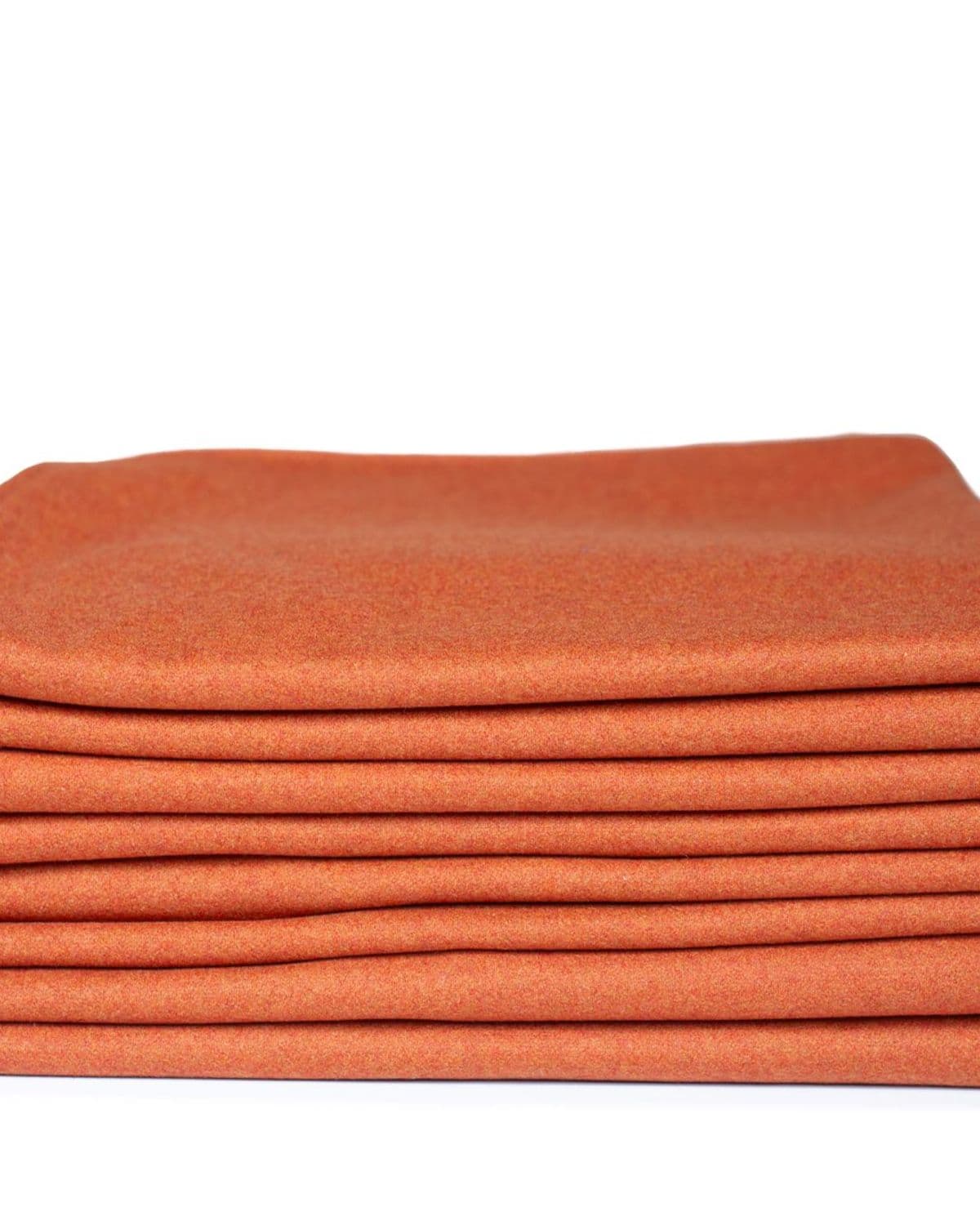 Washable coversAll covers are removable and machine-washable on a gentle cycle. Keep your sofa fresh, always.
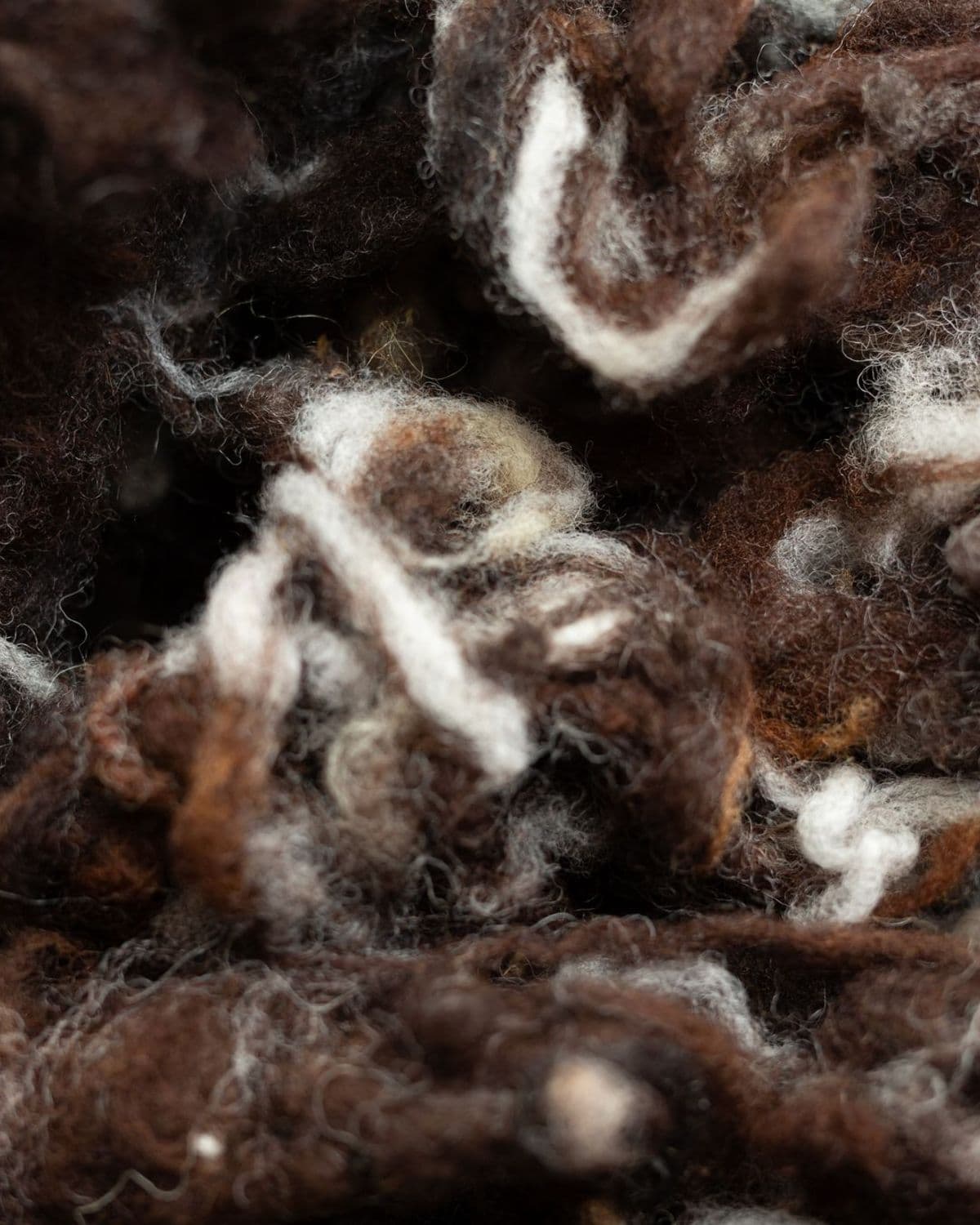 Refillable cushionsThe cushions are easy to refill, so your sofa maintains its comfort — year after year.
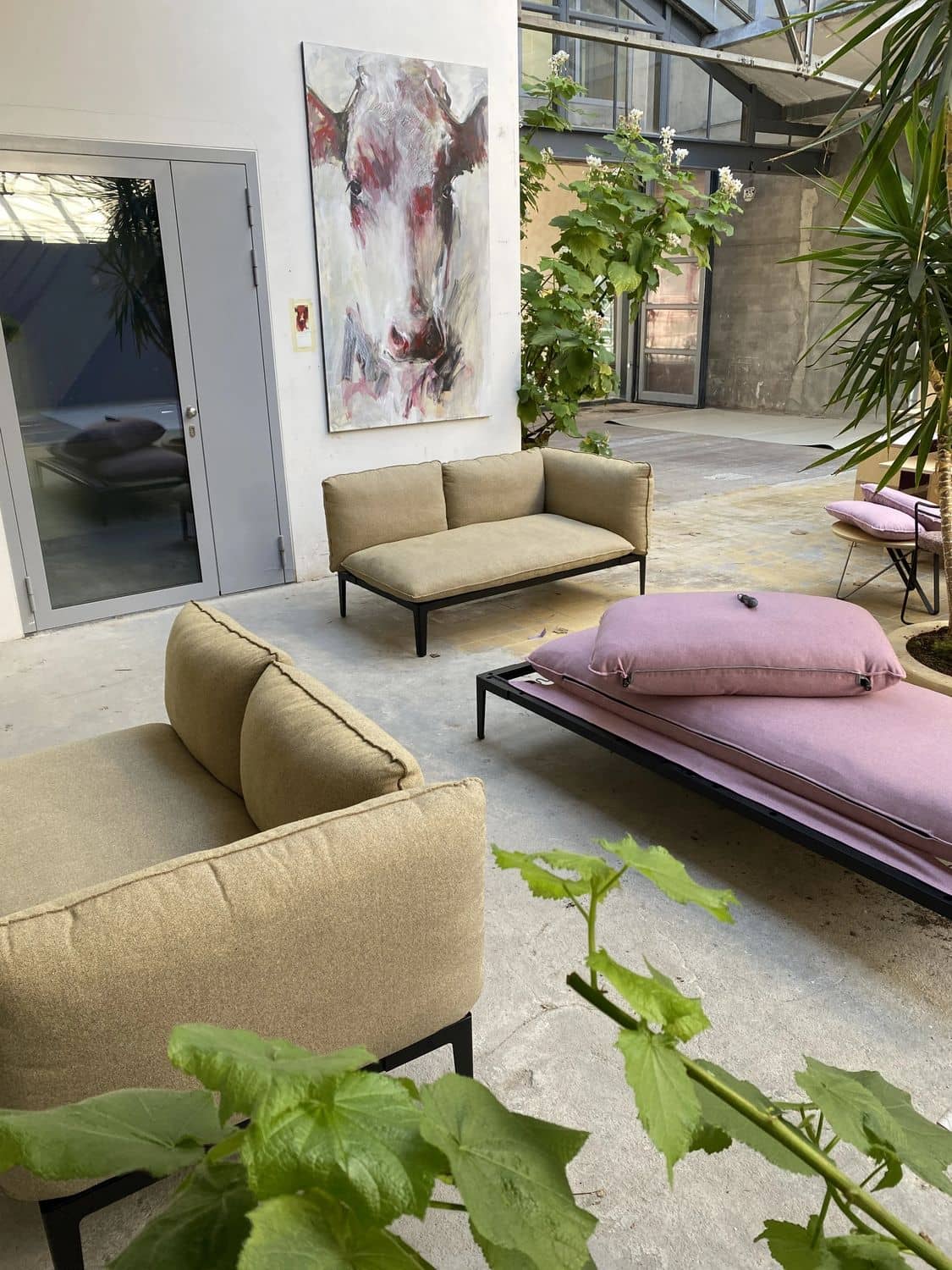
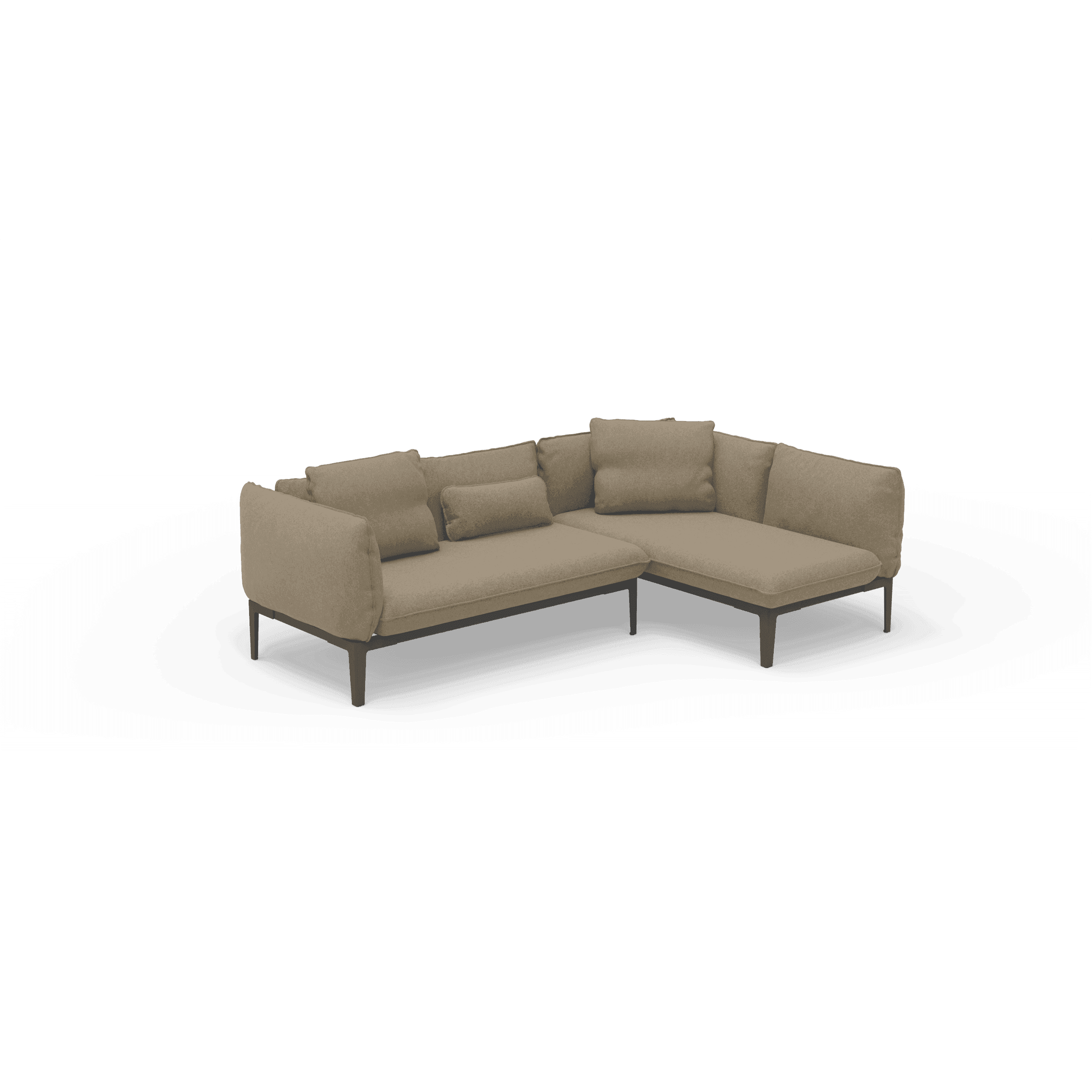
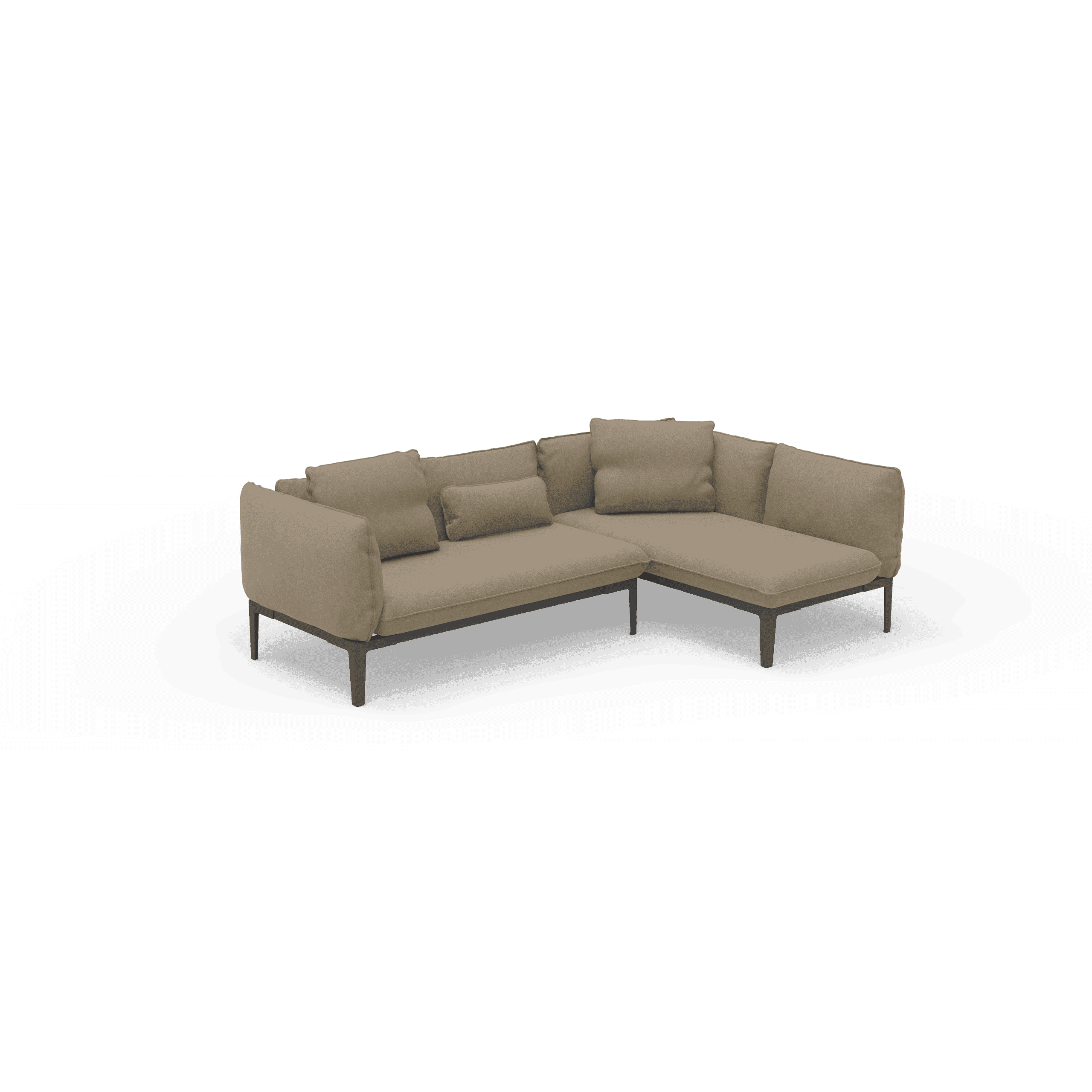
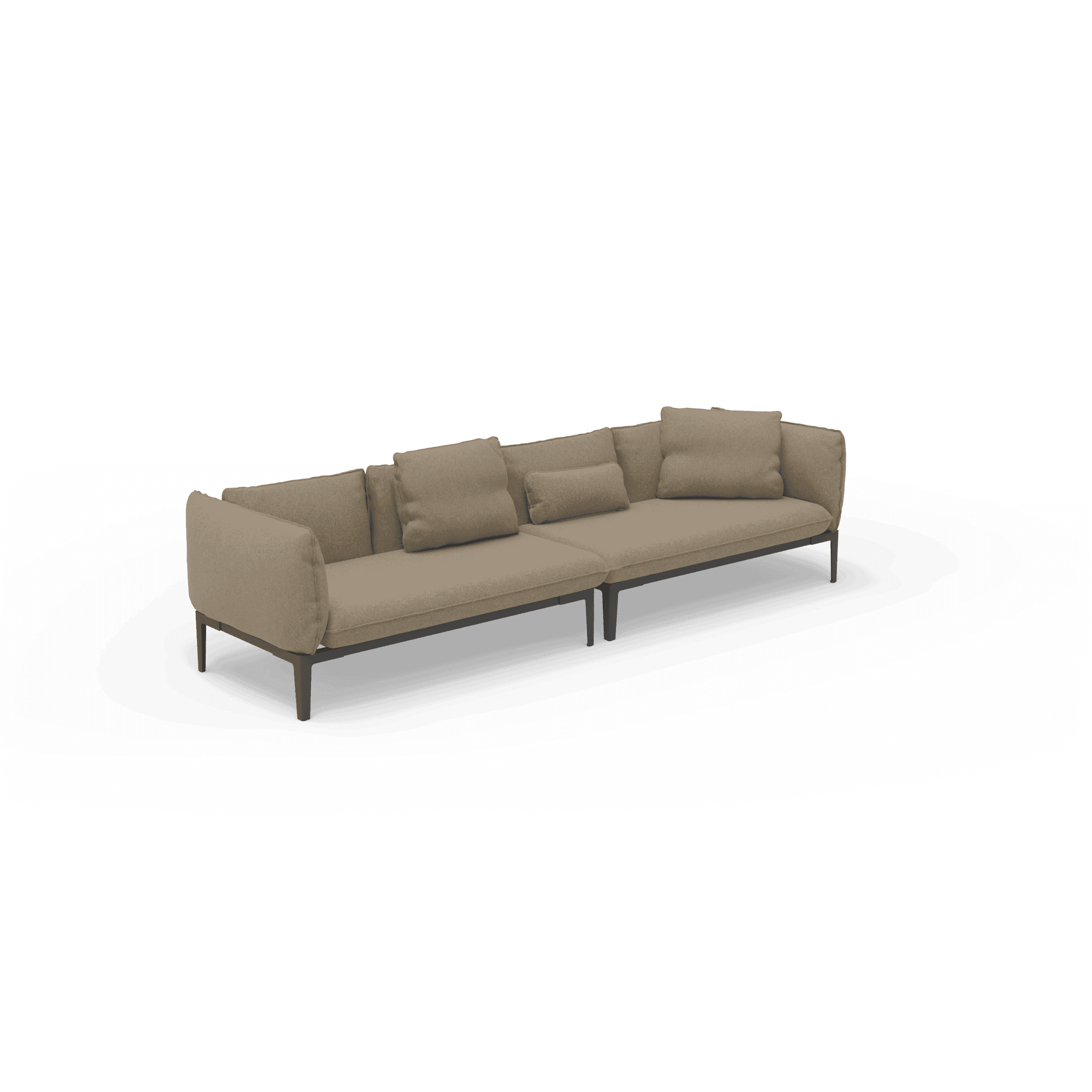
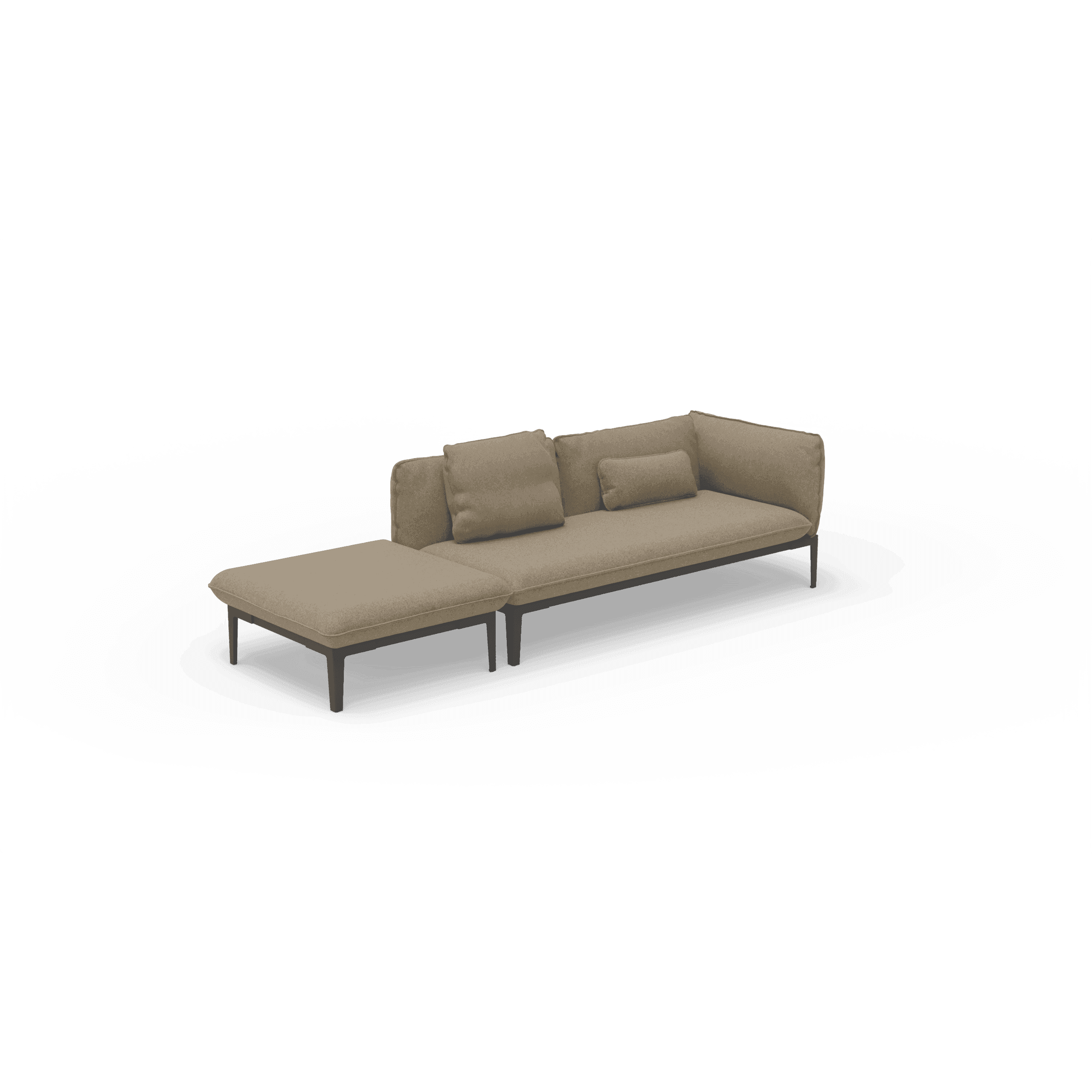
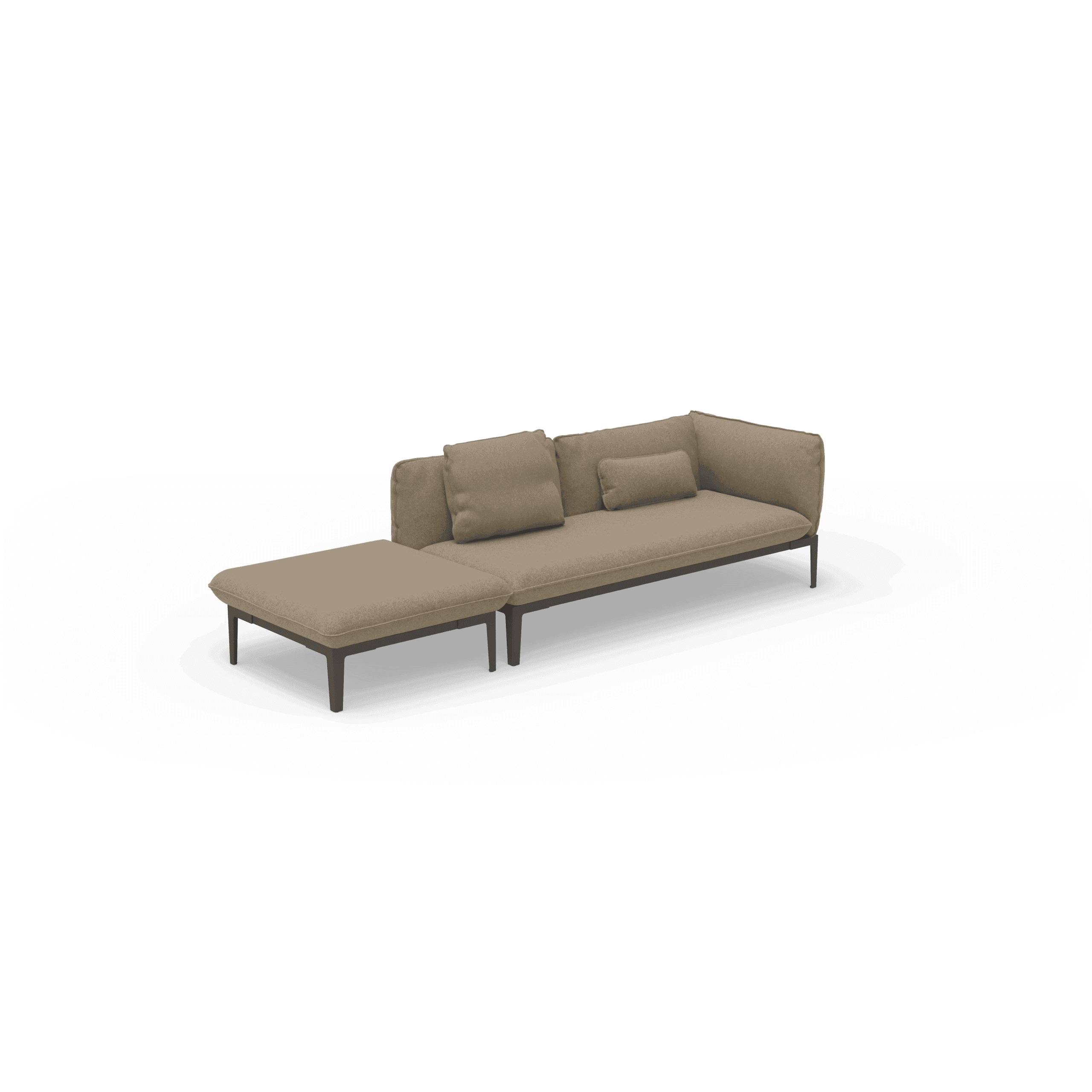
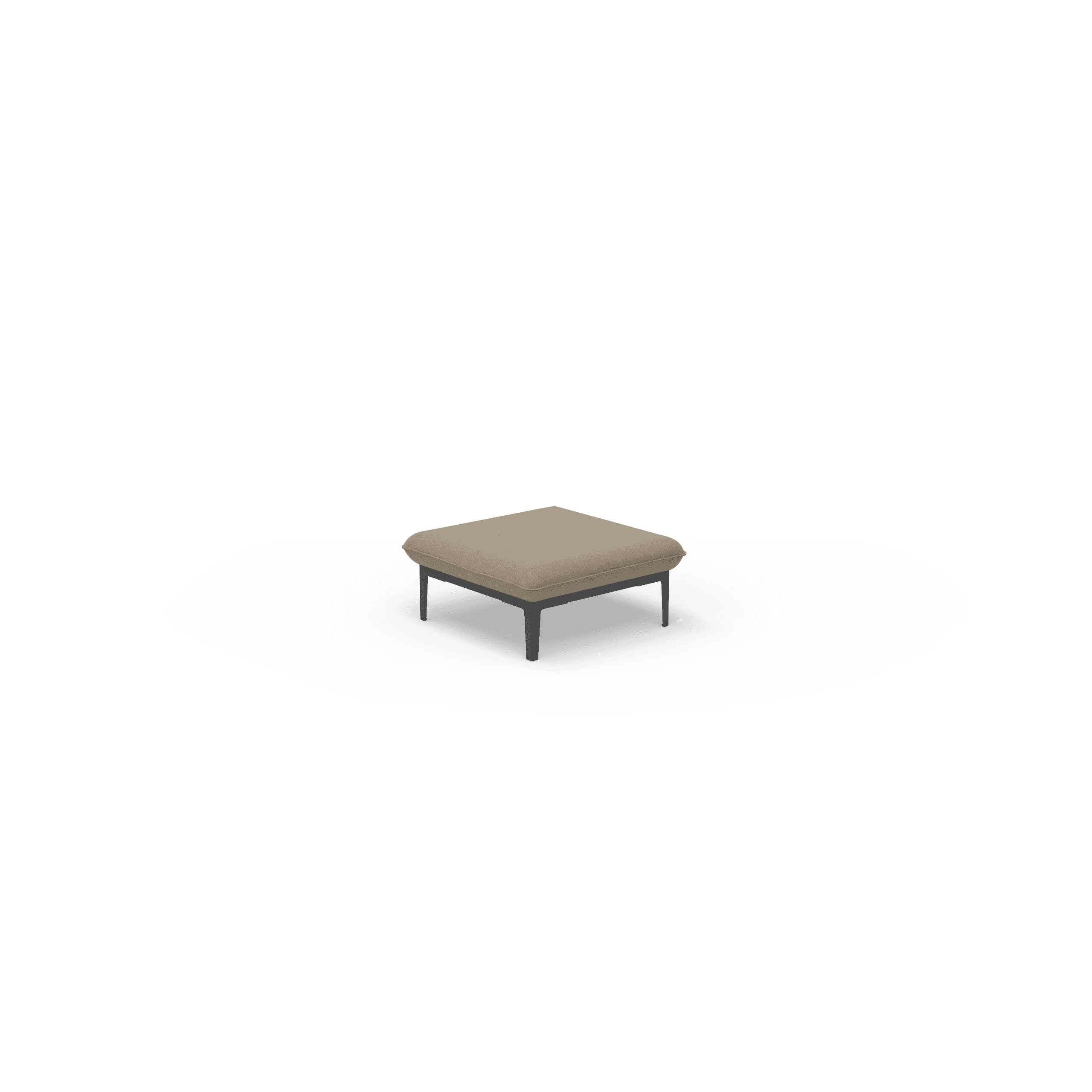
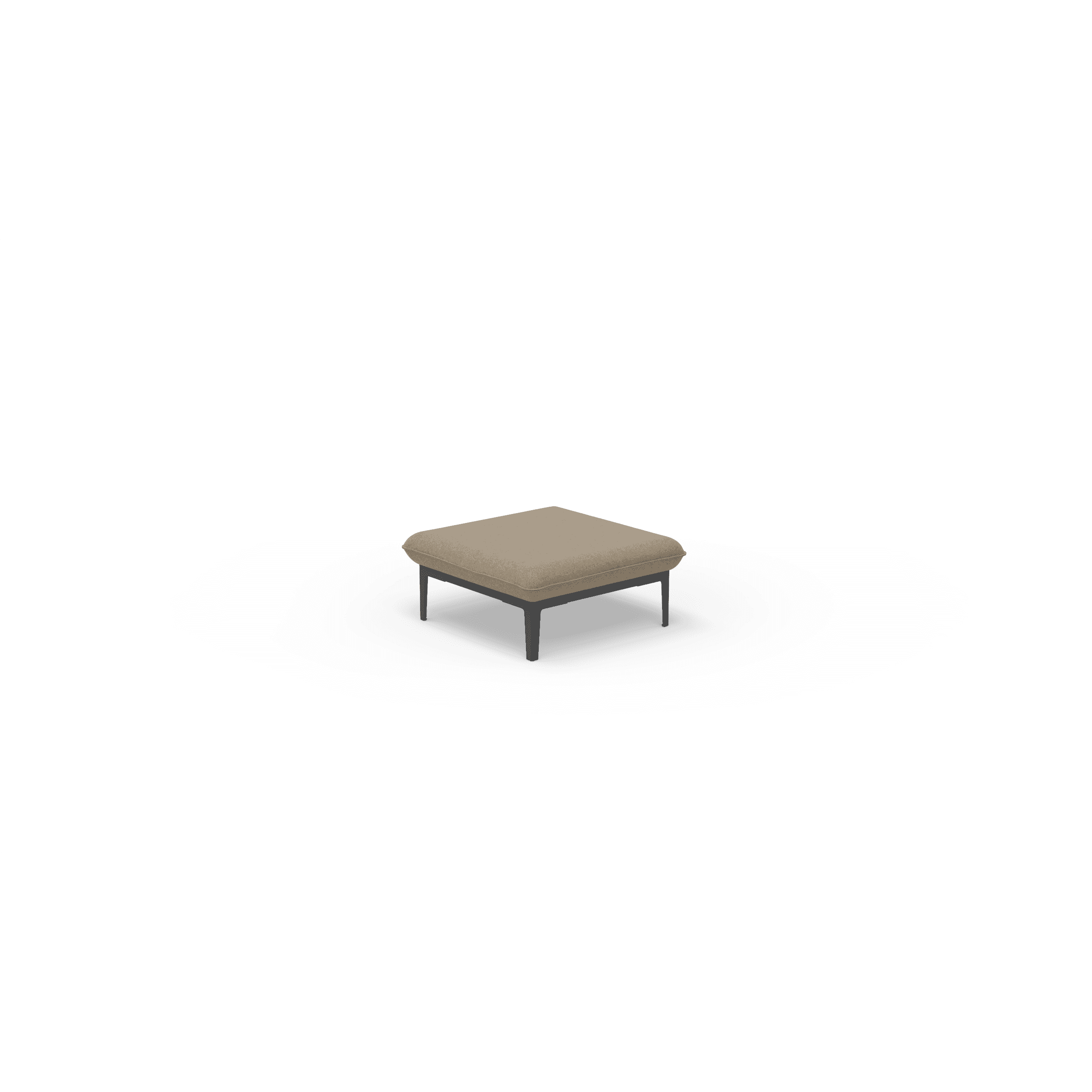
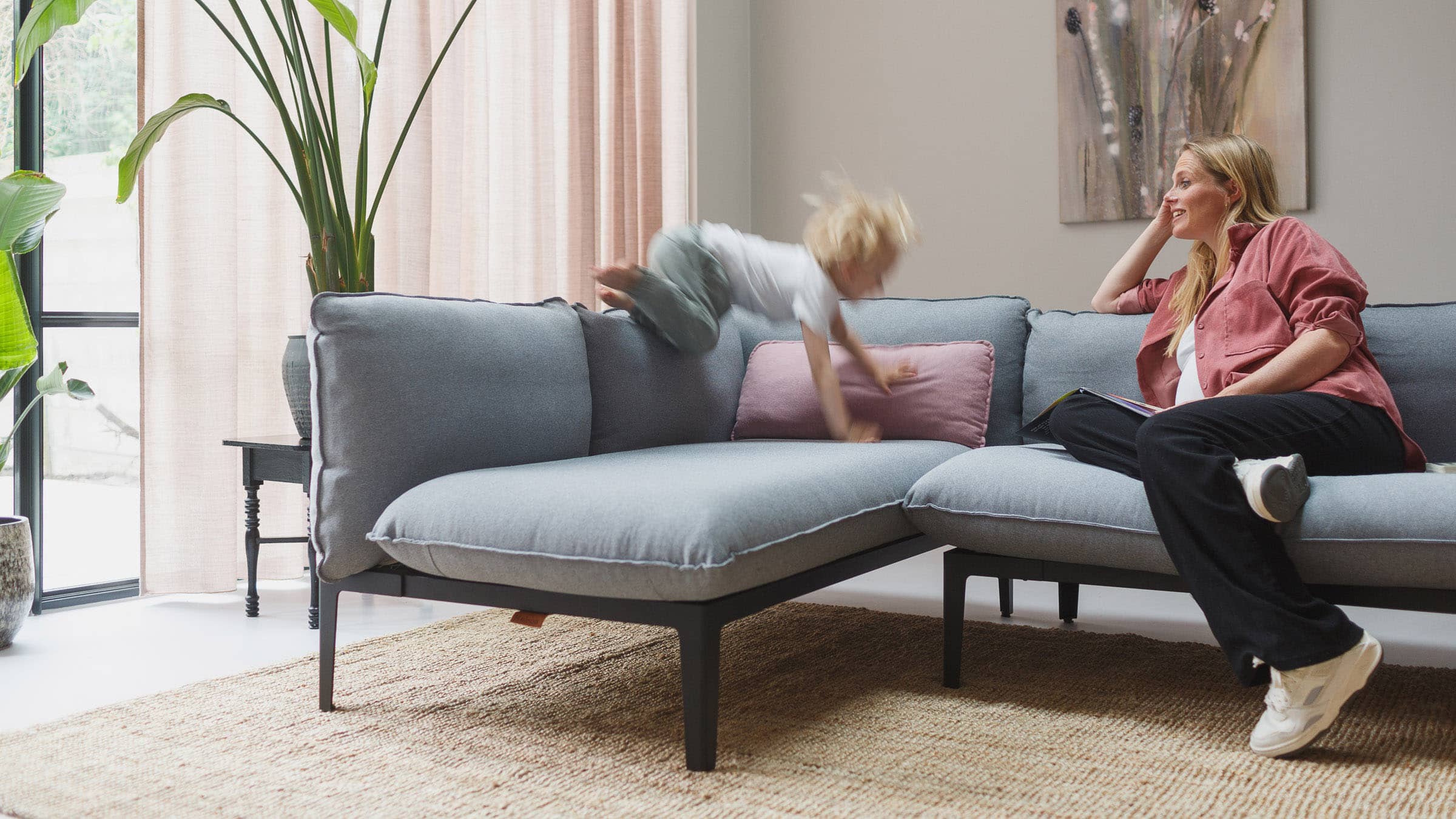
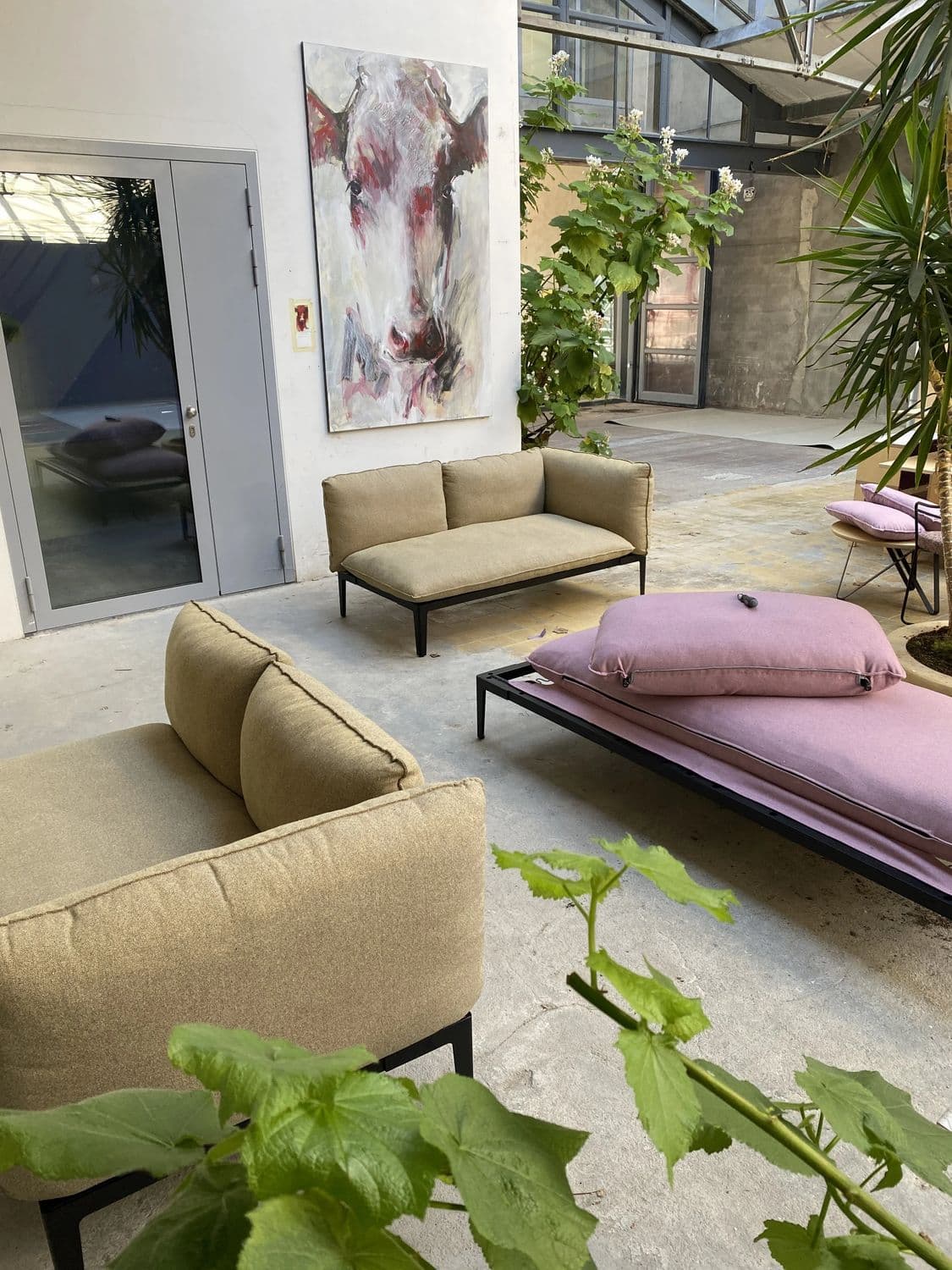 Modular systemConfigure your sofa exactly the way you want: from a compact corner sofa to a spacious lounger.
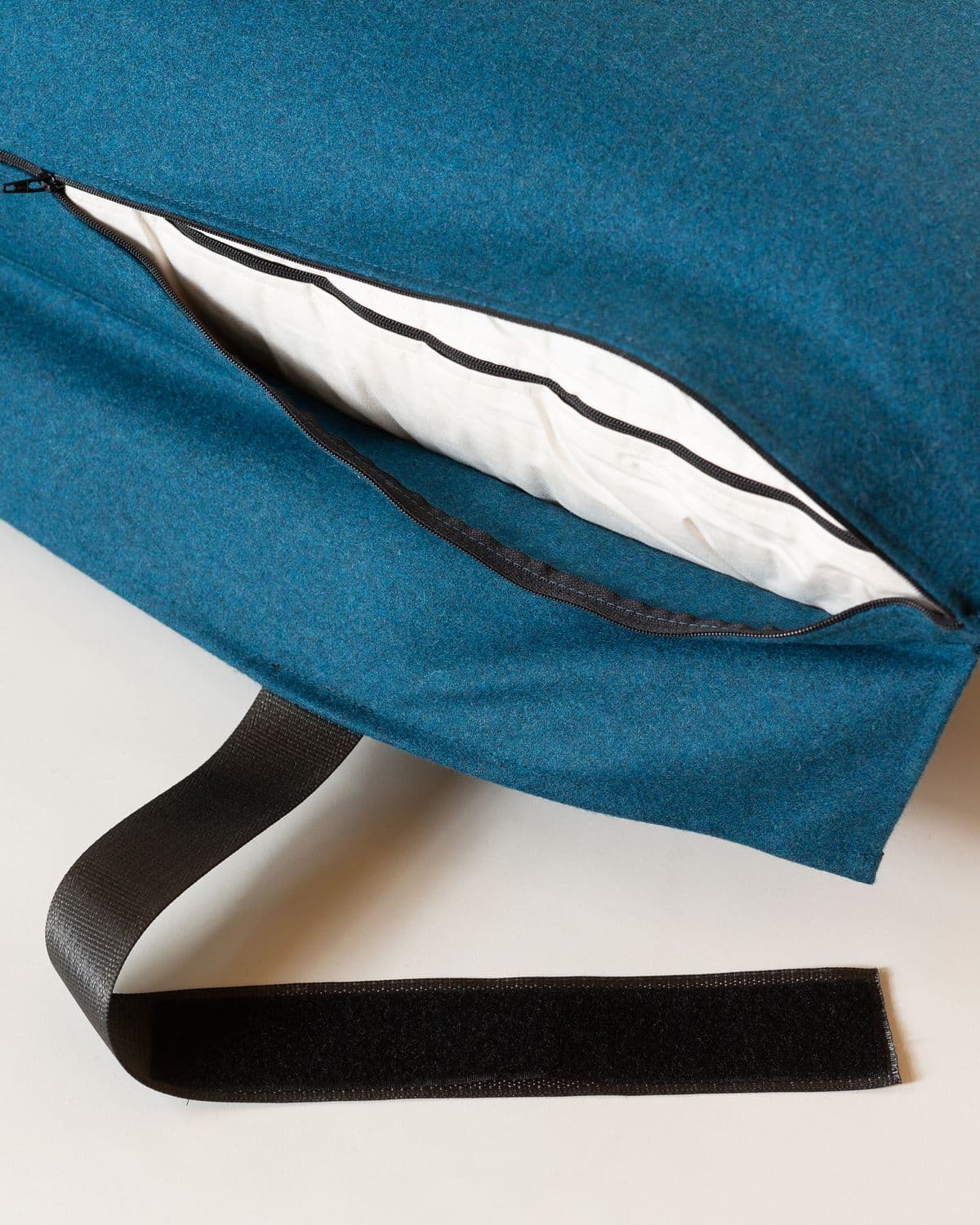 Self-maintain and repairEverything is replaceable and repairable — from covers to springs. You keep your sofa like new.
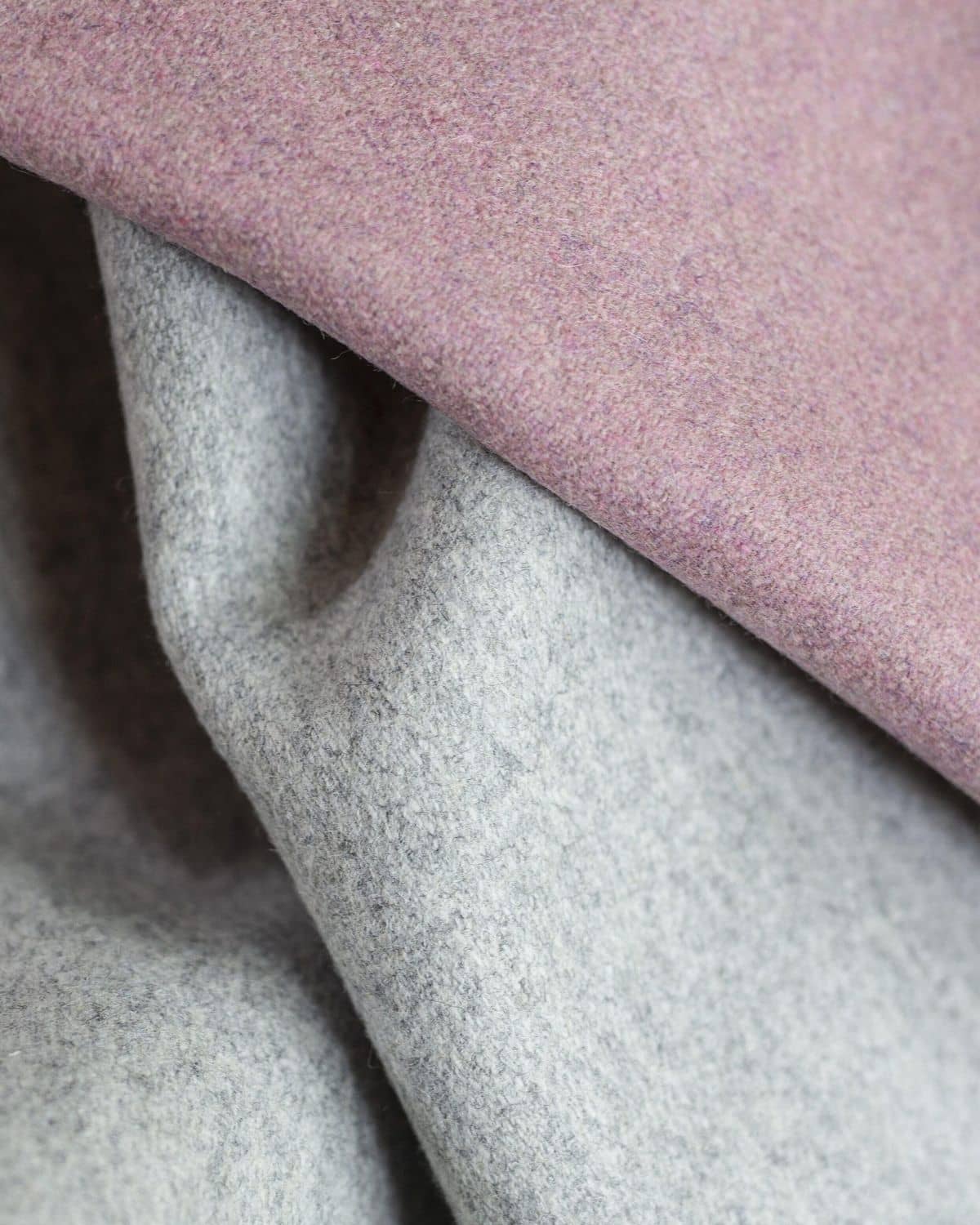
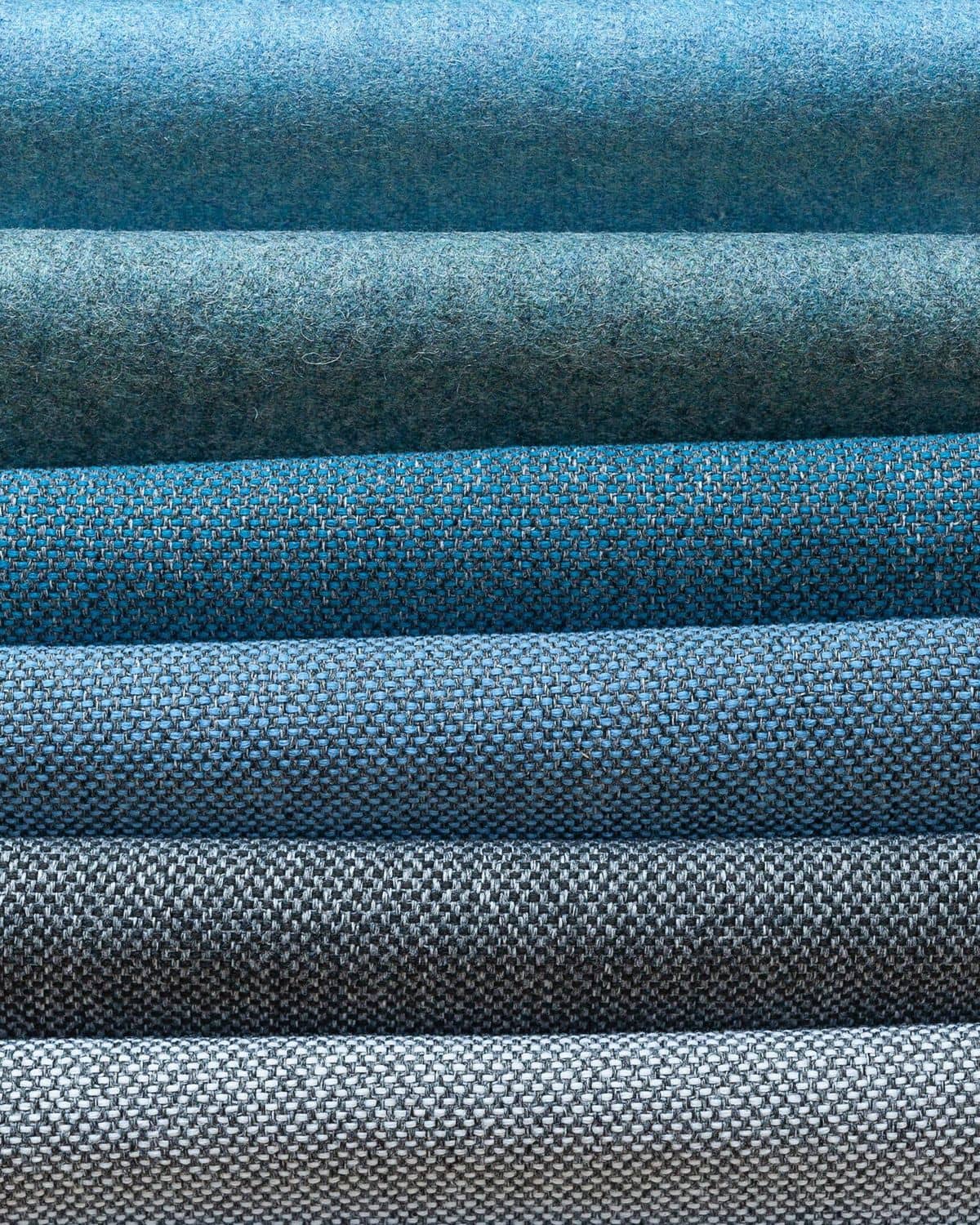
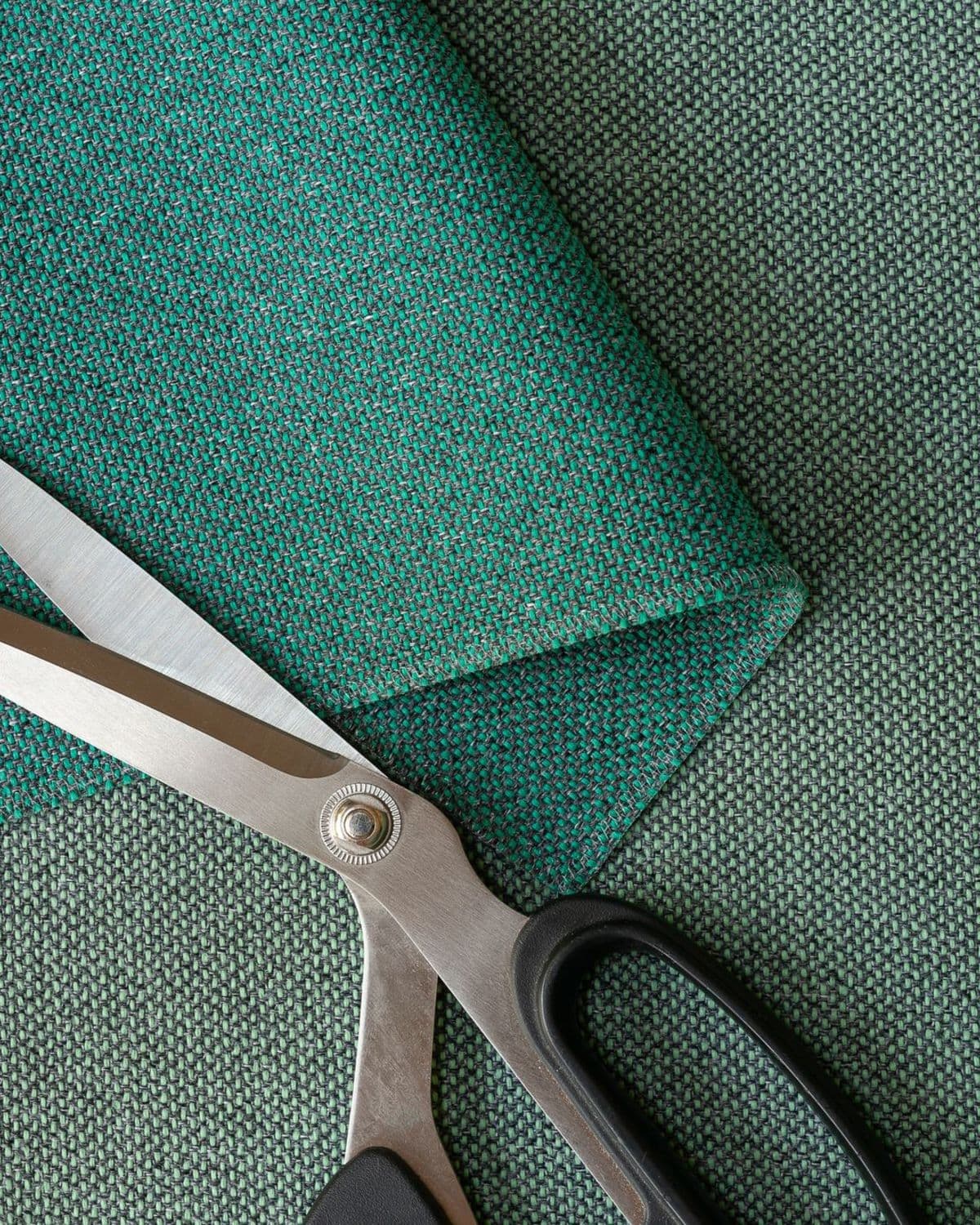
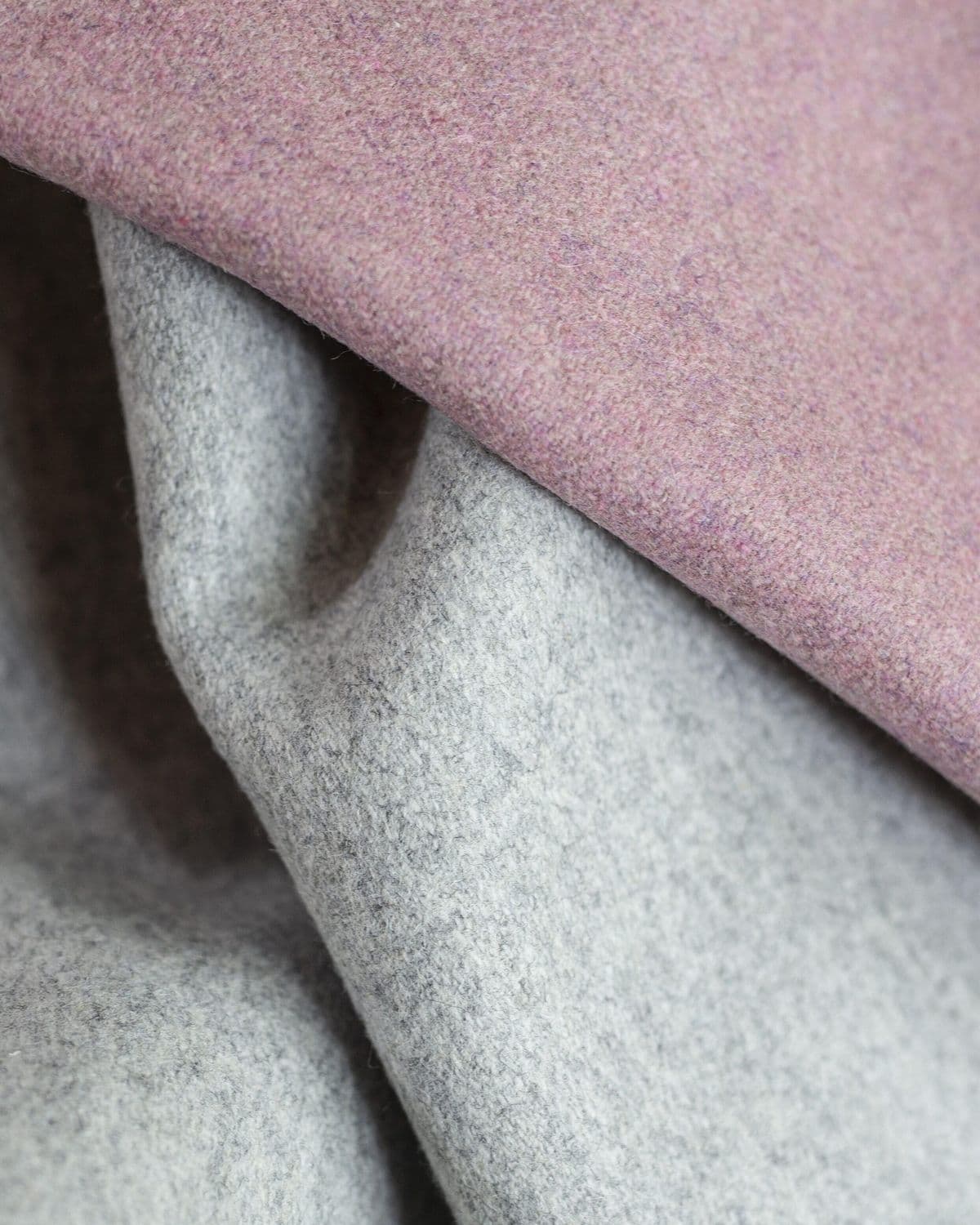 Premium materialsFabrics up to 100,000 Martindale cycles, a steel frame, and durable fillings for years of comfort.
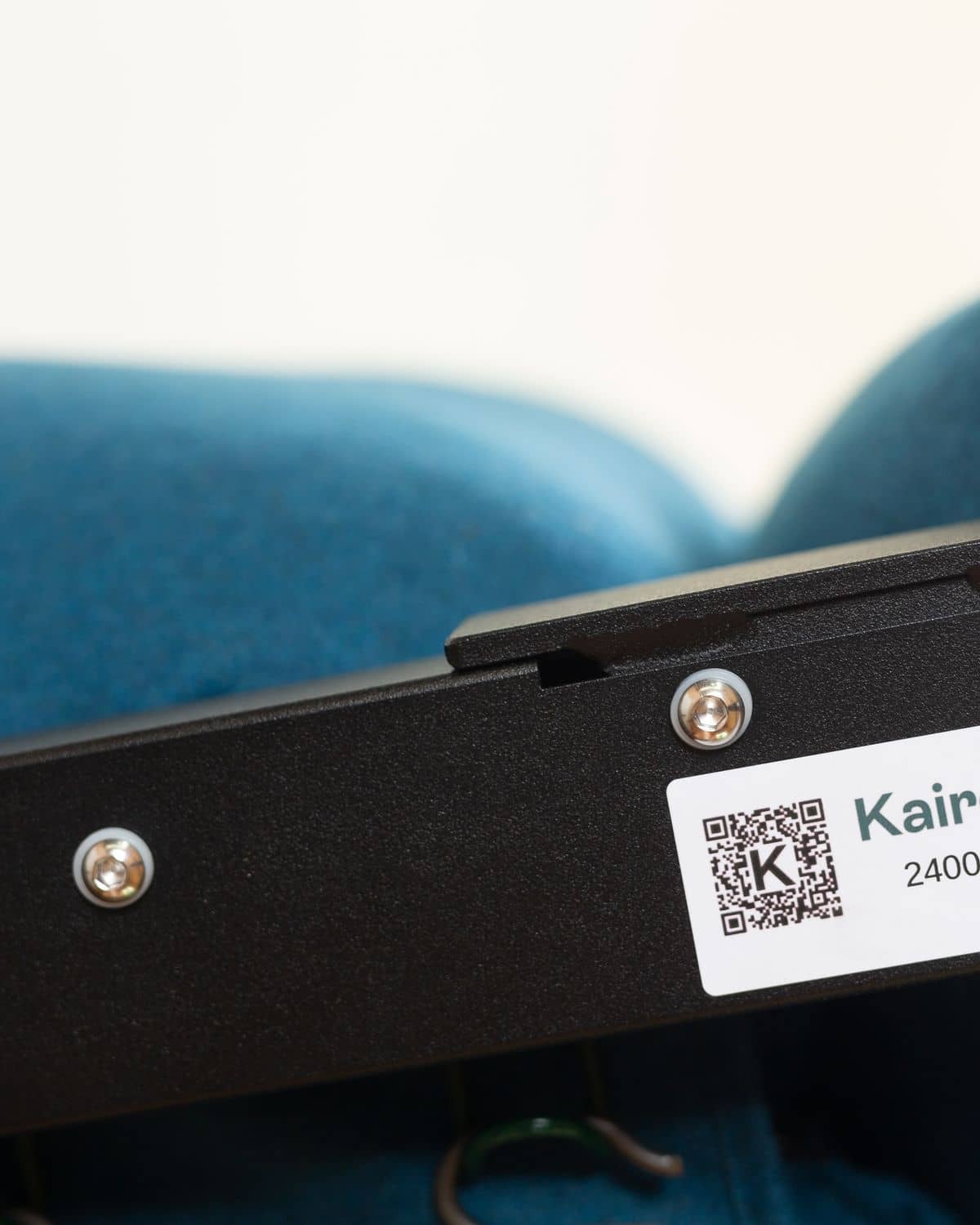
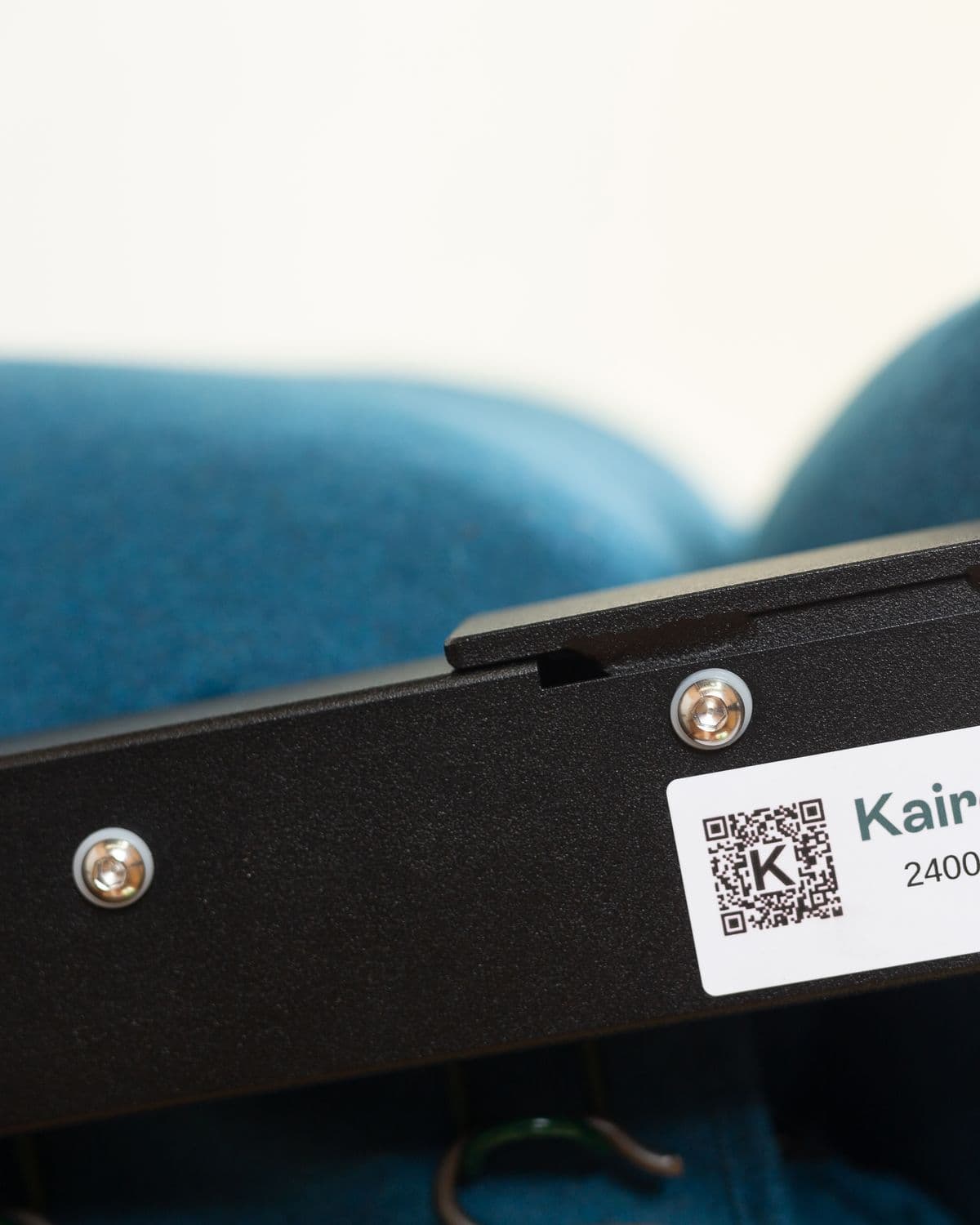 Materials passportFull transparency about the materials in your sofa — from fabric to frame.