


The art of minimalist living with furniture that matters
Minimalist living goes beyond an interior style. It's the art of consciously choosing what's present in your home, and especially: what you leave out.
The art of minimalist living
Minimalist living goes beyond an interior style, it's a life philosophy. It's the art of consciously choosing what's present in your home, and especially: what you leave out.
In a world where consumption is often seen as a measure of success, minimalism offers a refreshing counterpoint. It asks questions you might never otherwise pose: do I really need this? And: what does this add to my life?
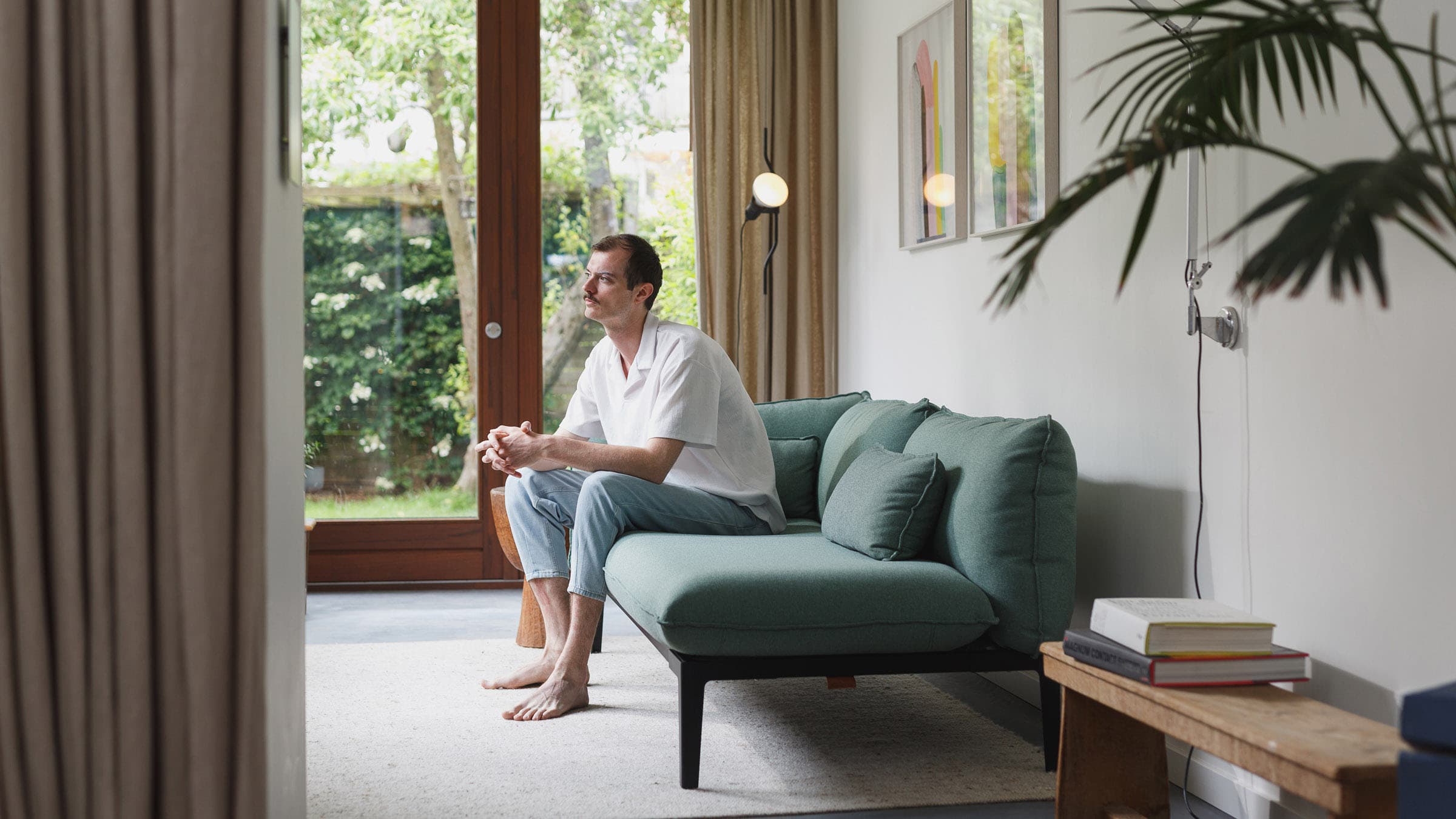
What minimalism really means: consciously choosing what stays
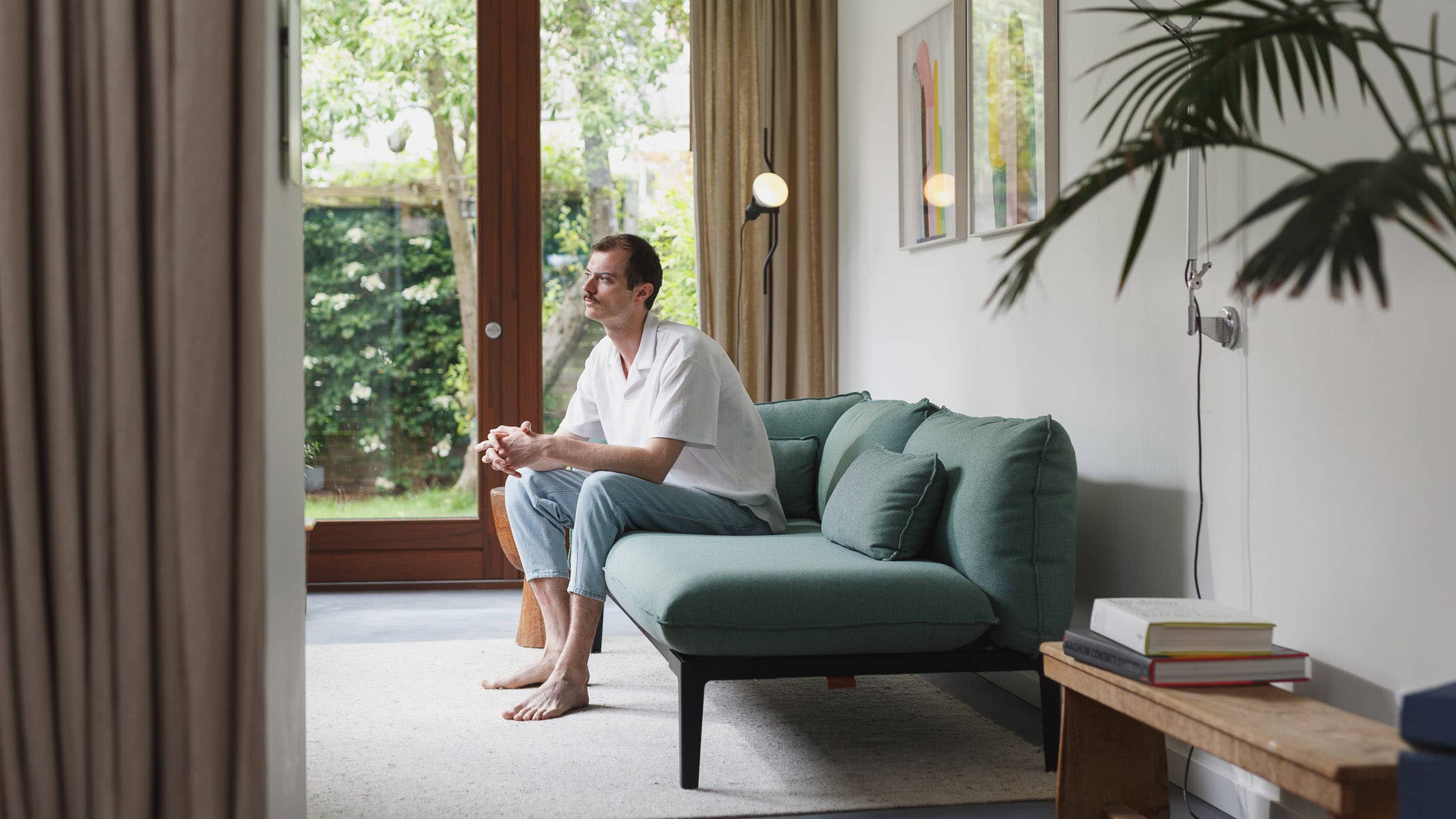
Many people confuse minimalism with emptiness, white walls, bare rooms, and a lack of personality. But minimalism isn't about removing everything. It's about consciously choosing what stays.
Every piece of furniture, every lamp, and every accessory gets a reason to be present. The result is a home where calm, clarity, and harmony are tangible. The empty space between furniture isn't a loss, but a chance to breathe.
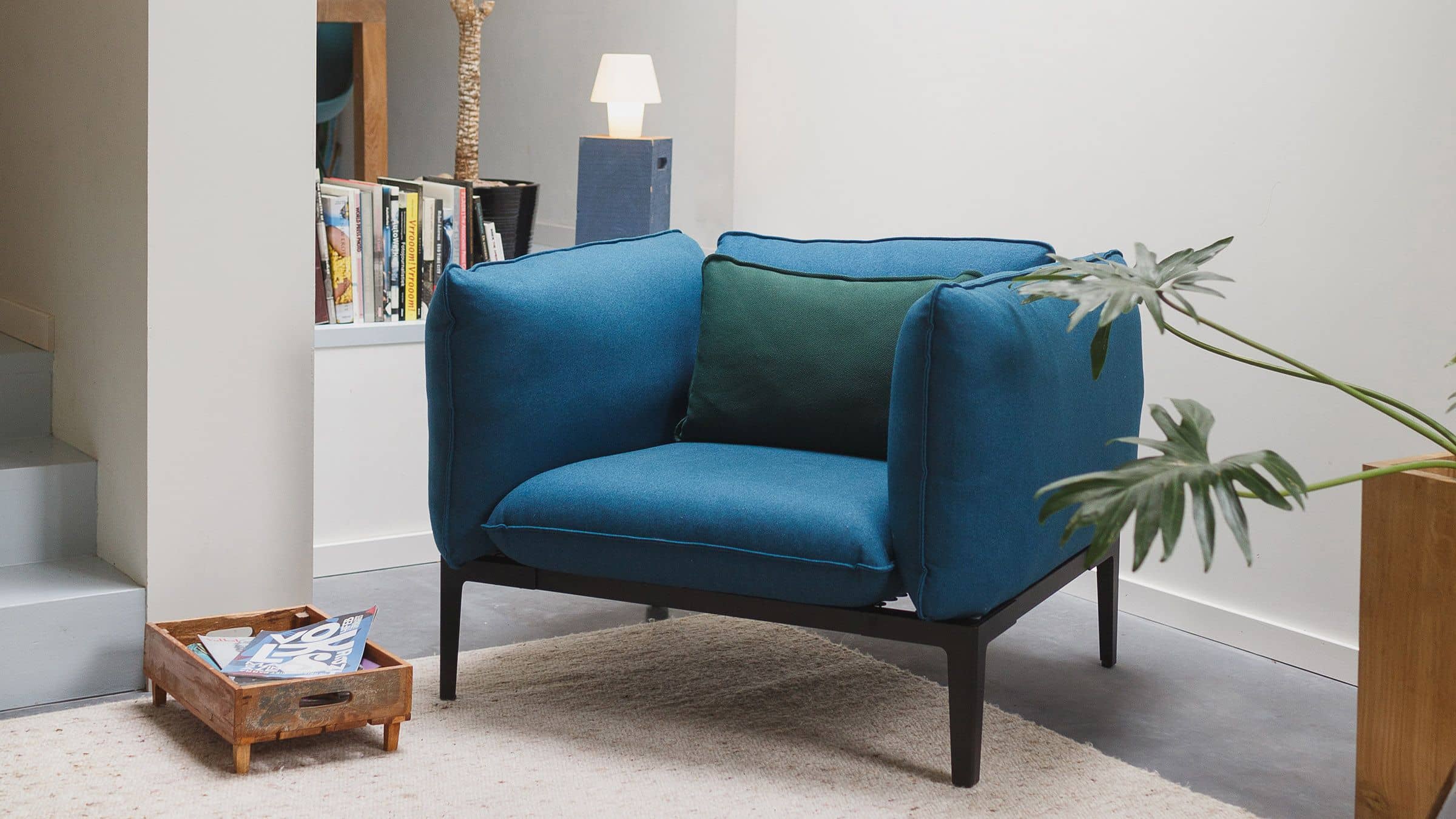
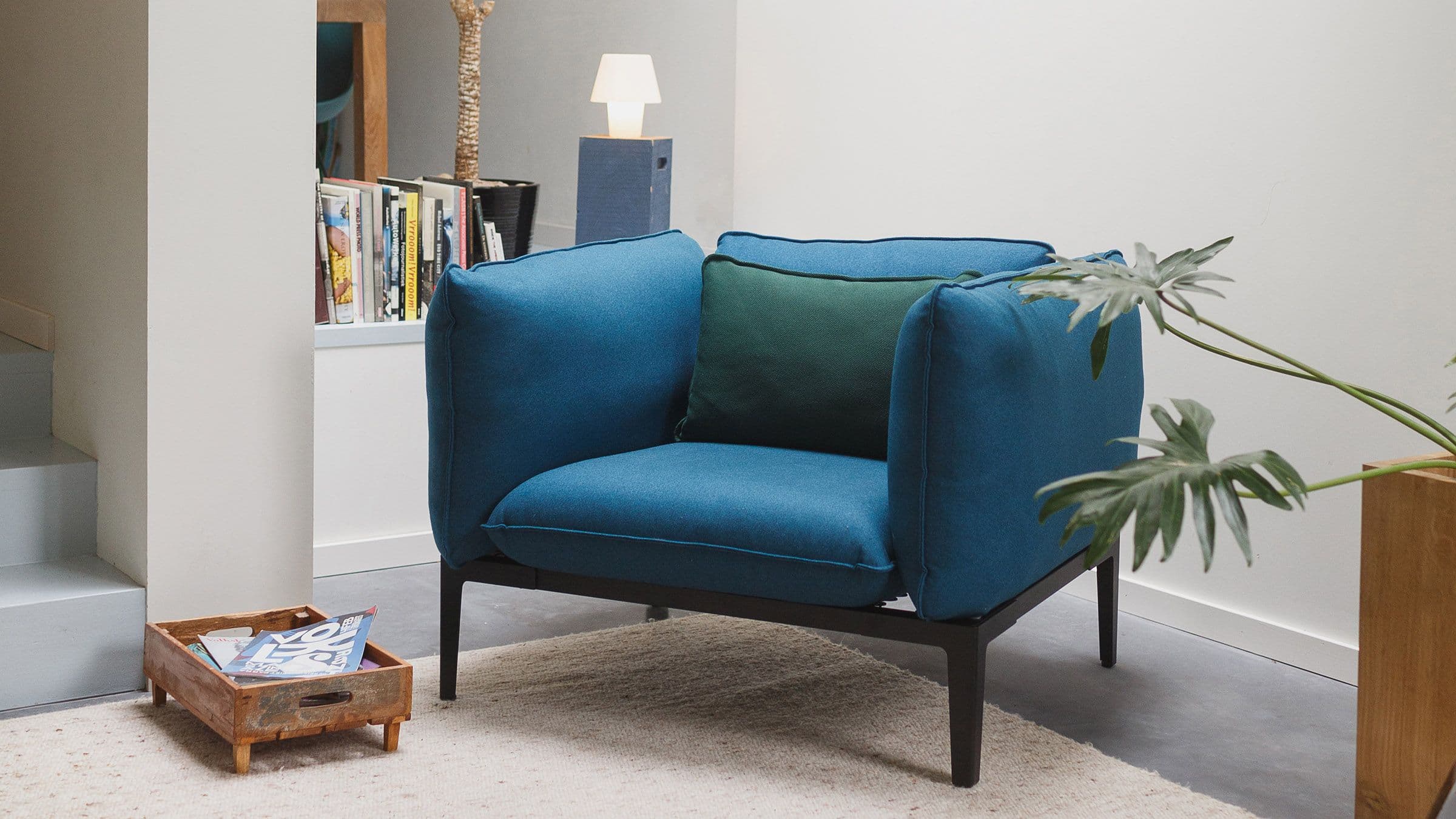
Quality over quantity: furniture that matters
Instead of many small, cheap, and quickly outdated objects, you choose a few pieces that last long and are functional in multiple contexts. Timeless design, premium materials, and smart functionality are the key.
Furniture that's modular and maintenance-friendly illustrates how quality and flexibility come together. You don't have to choose between comfort and sustainability, with smart choices you can have both.
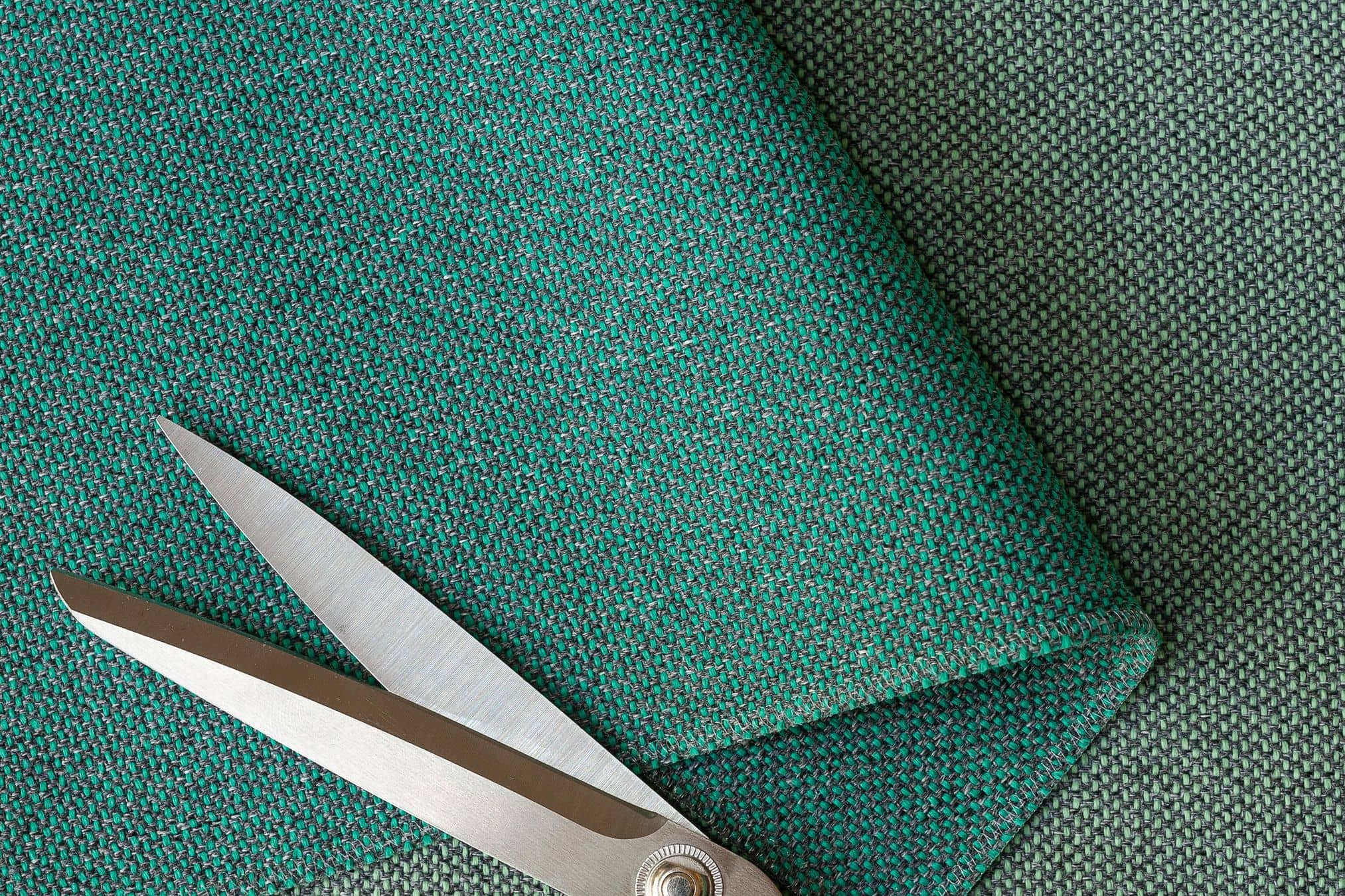
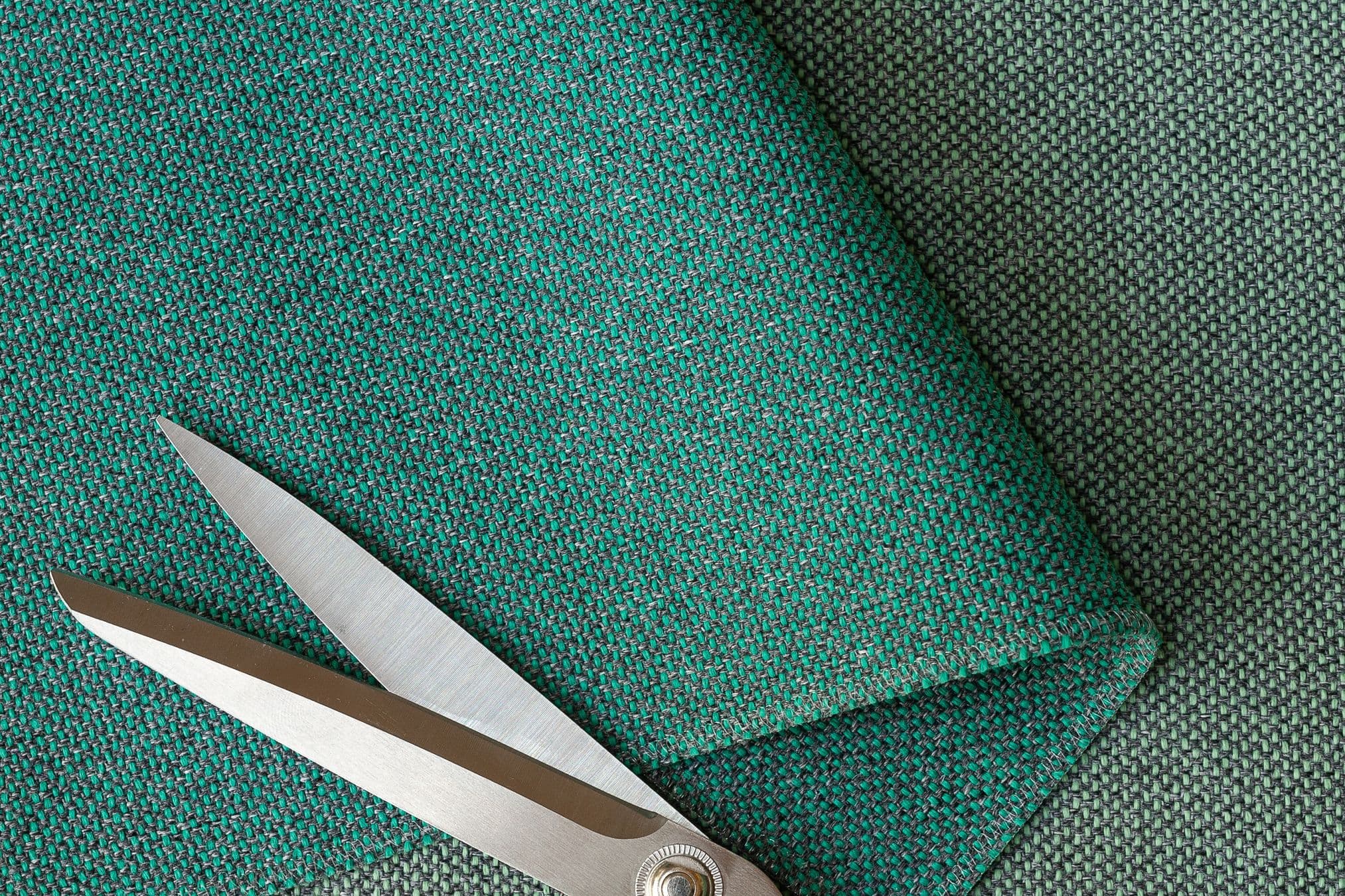
Warm and personal
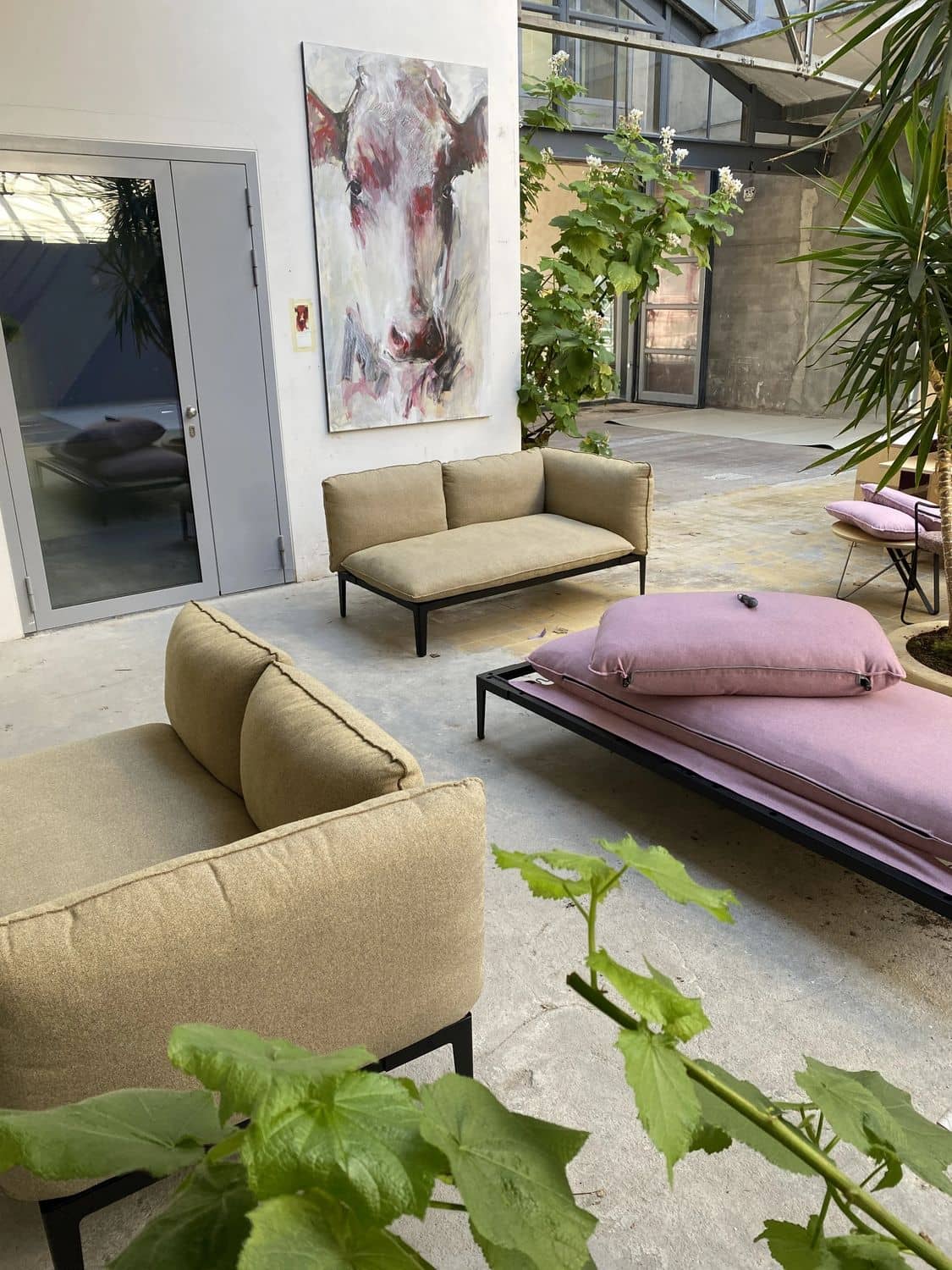
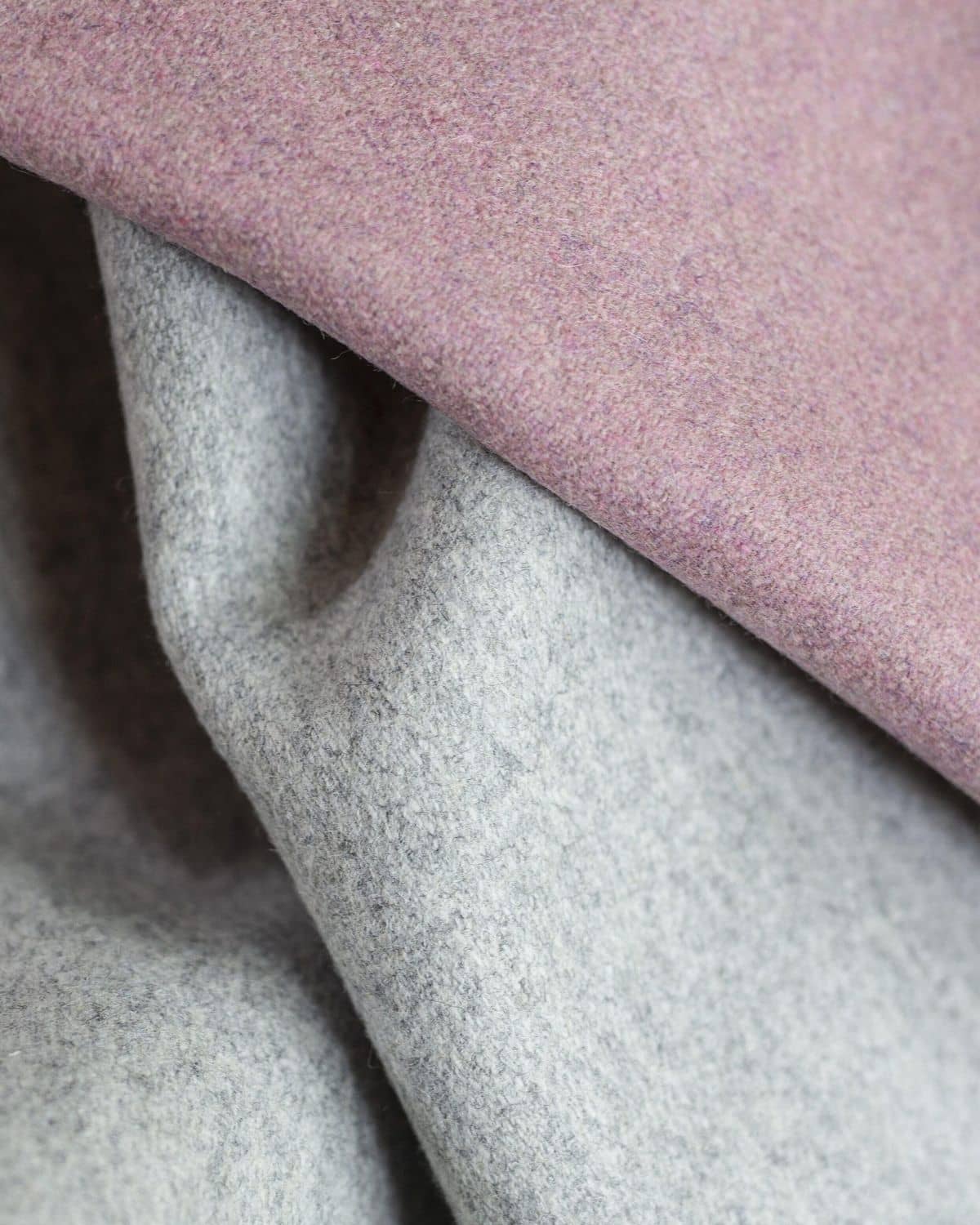
Textures and materials play an important role. Neutral tones create a calm foundation. Wooden floors bring natural warmth, soft cushions invite comfort, and woven fabrics add visual depth.
Personal accents make a minimalist interior unique. An heirloom, a photo, or an artwork that inspires you can bring a space to life without it becoming cluttered.
Modular and adaptable: minimalism that grows with you
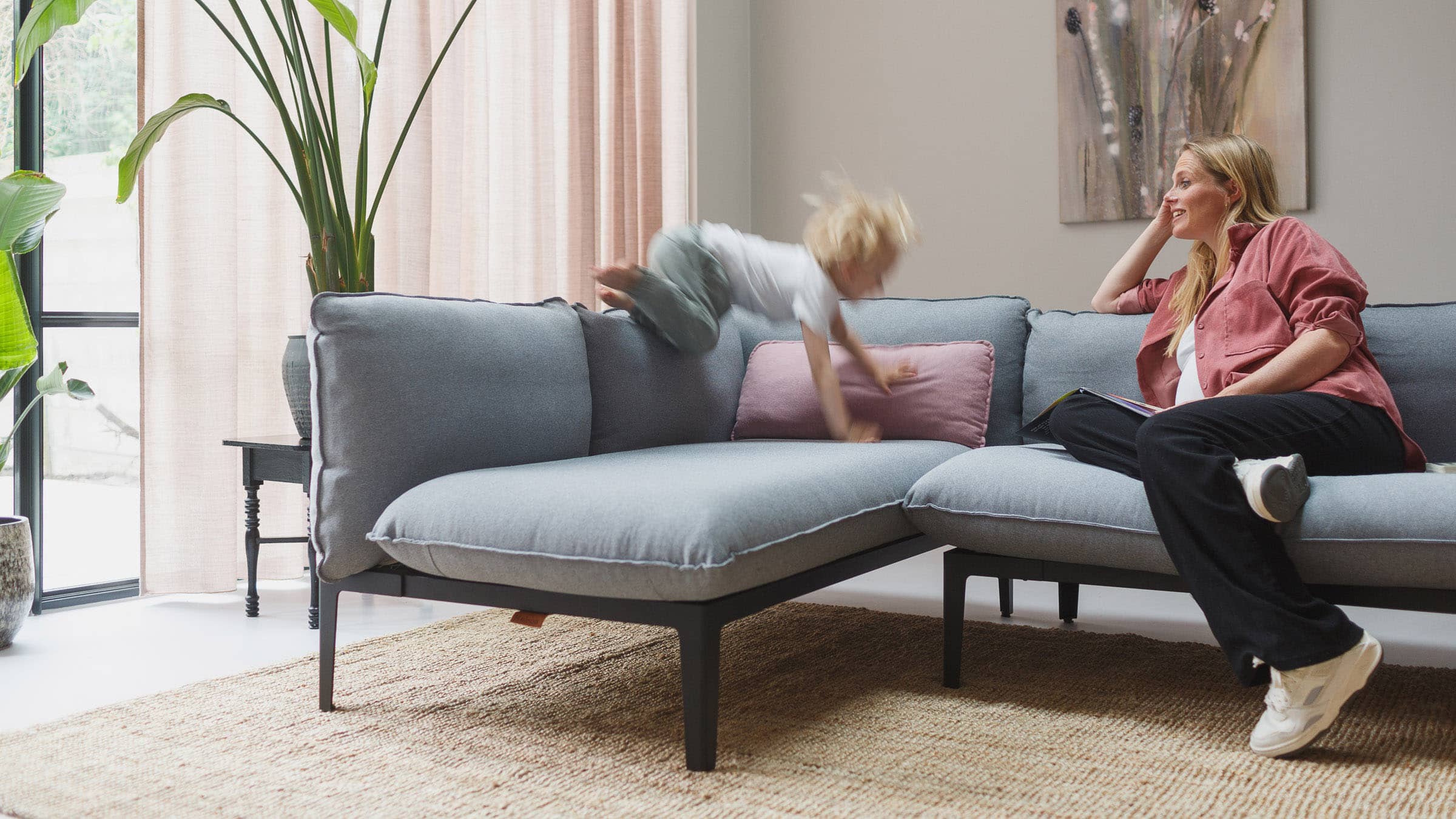
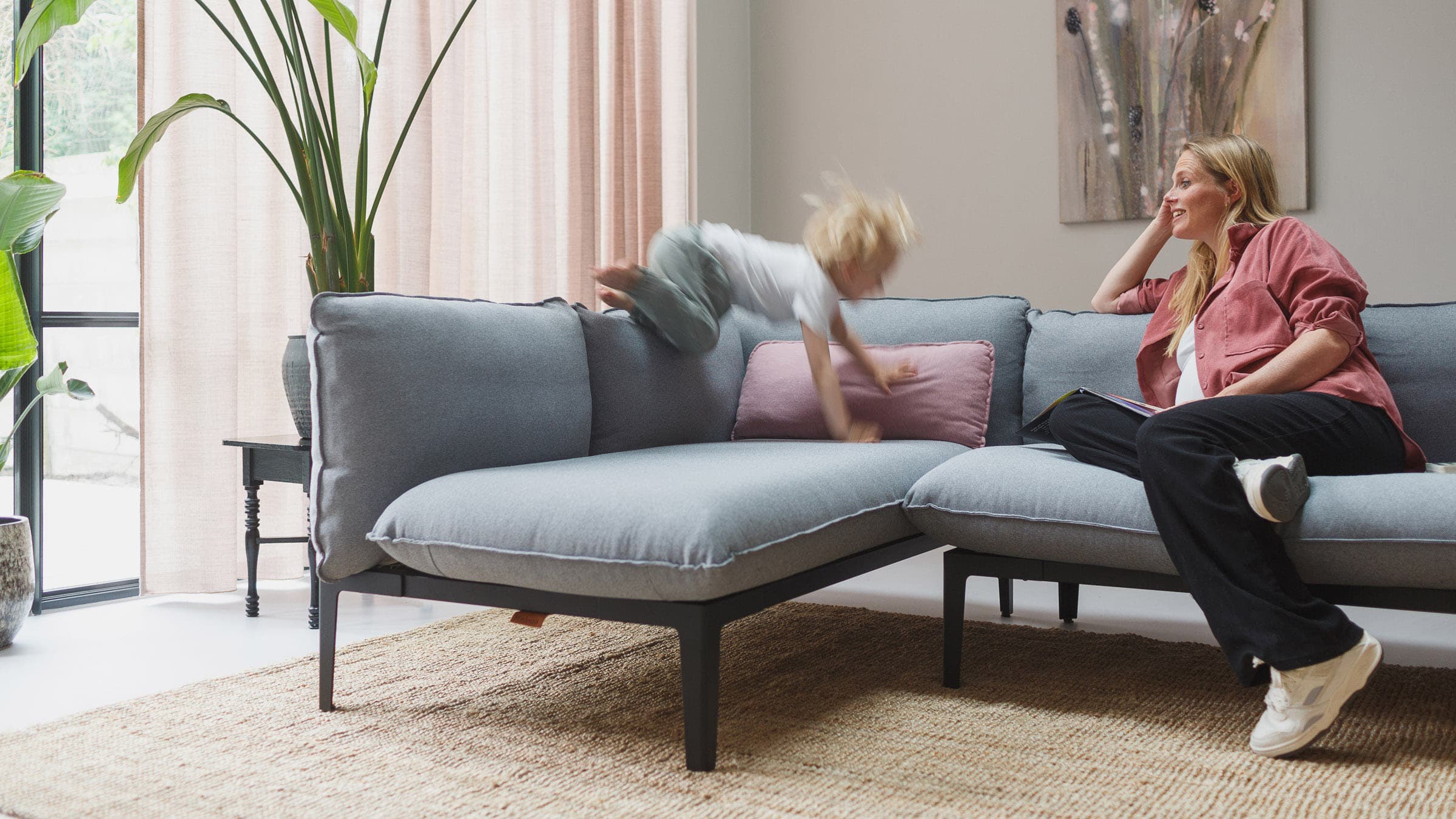
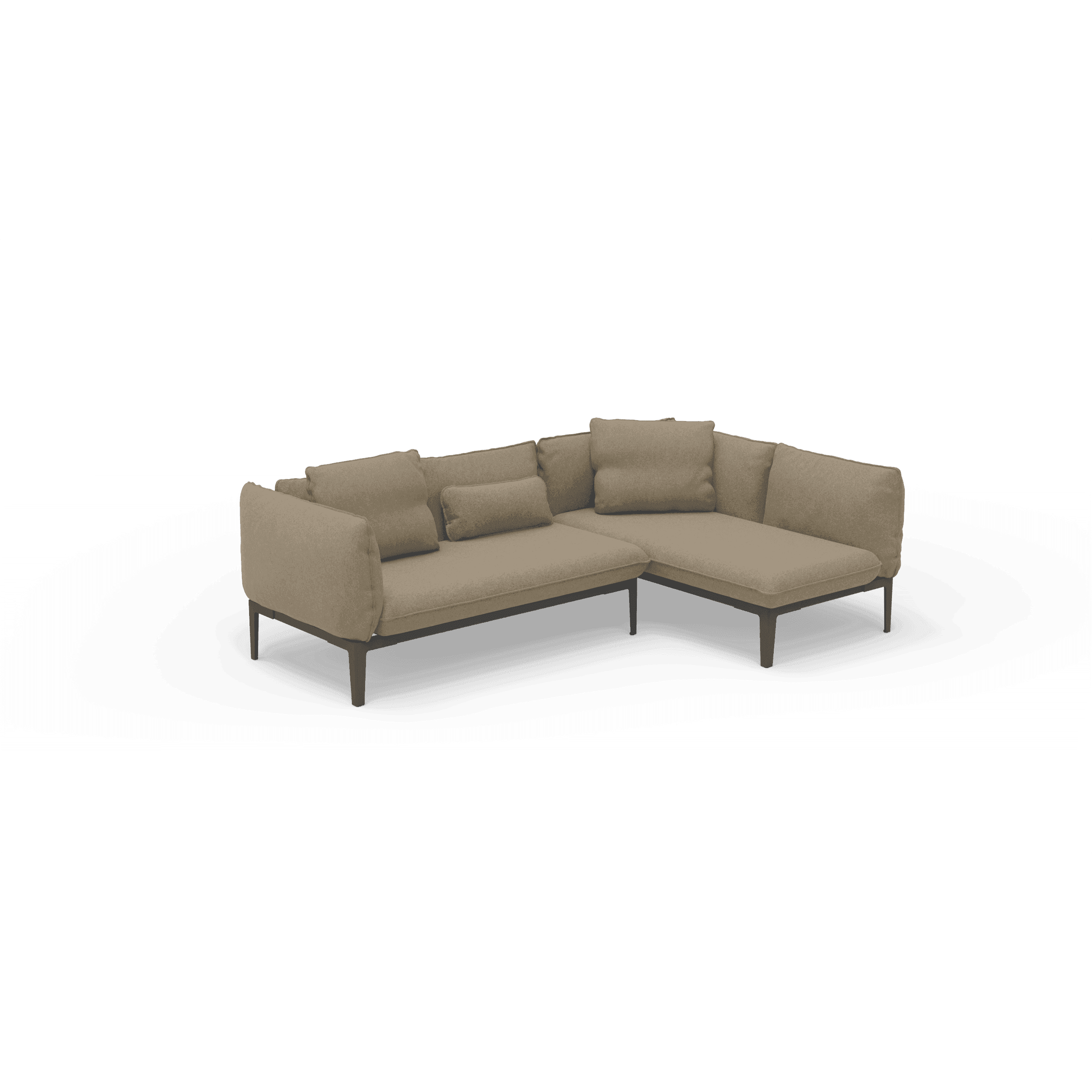
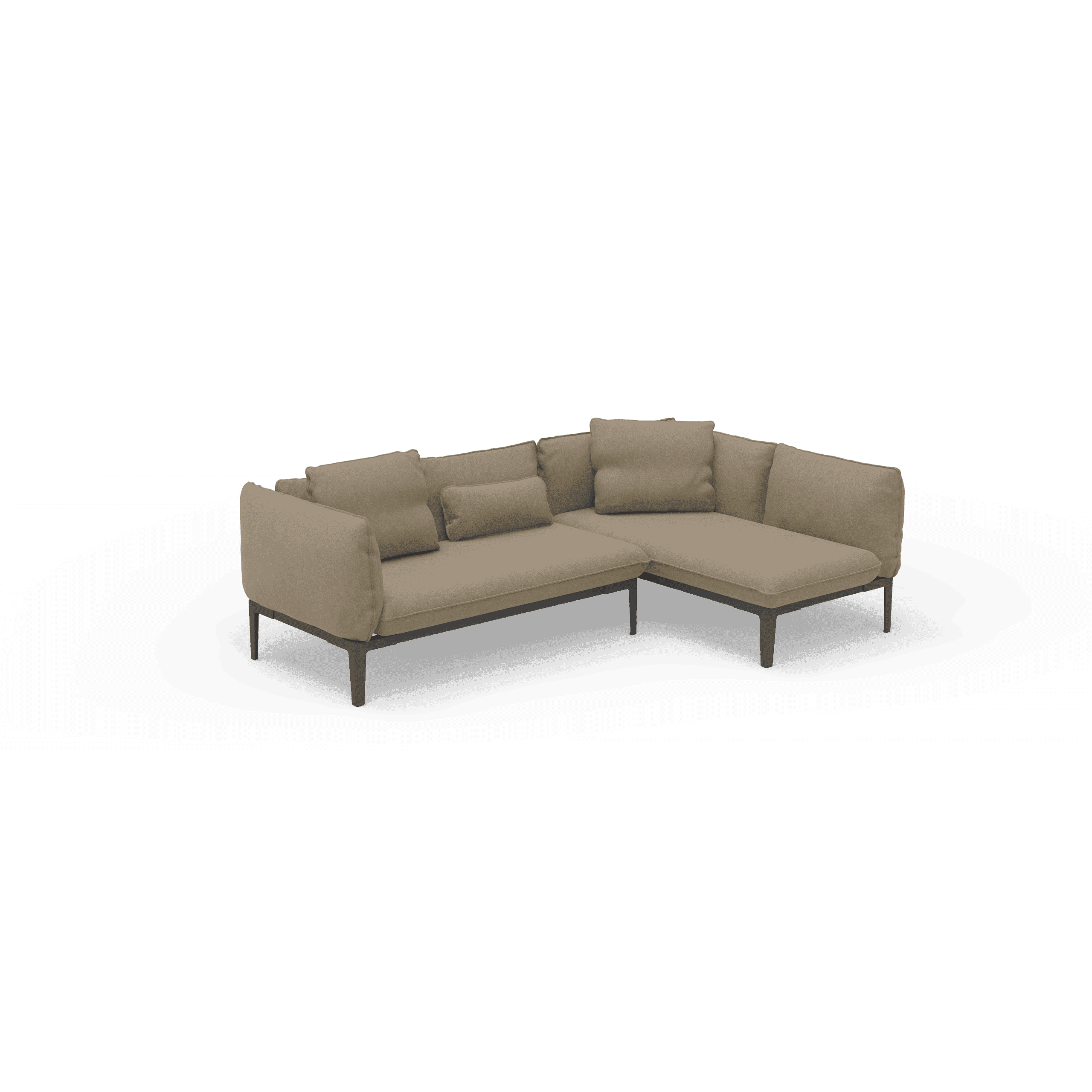
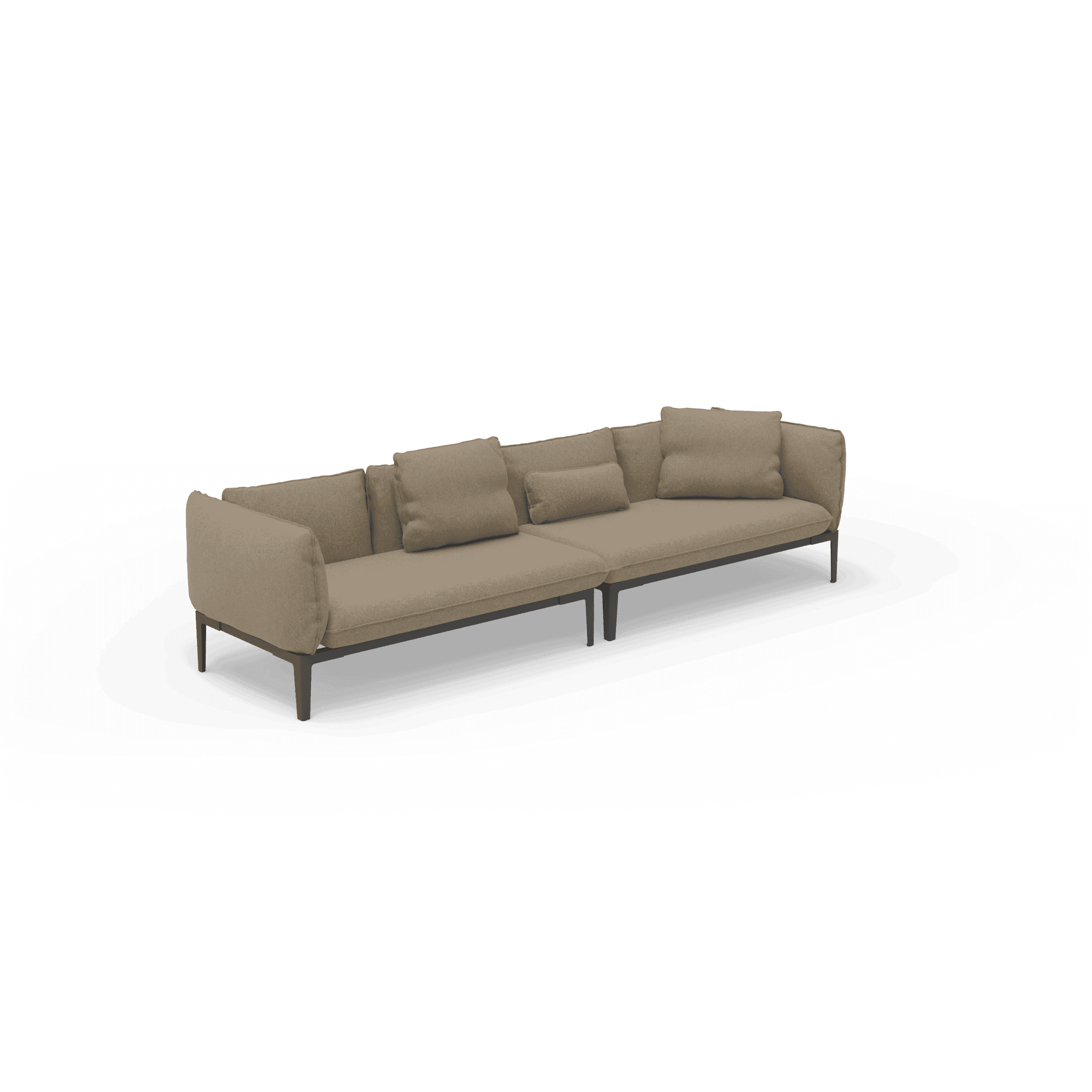
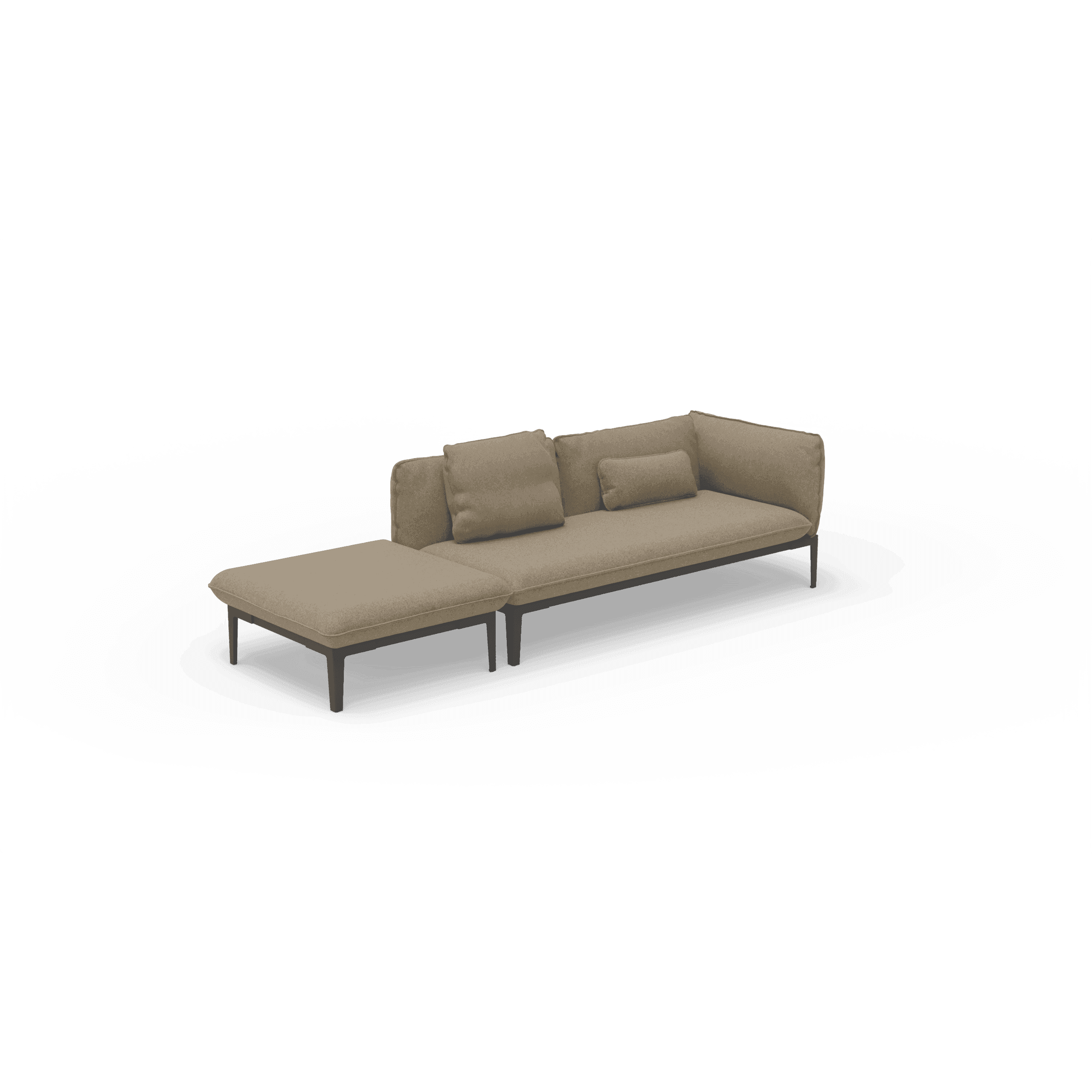
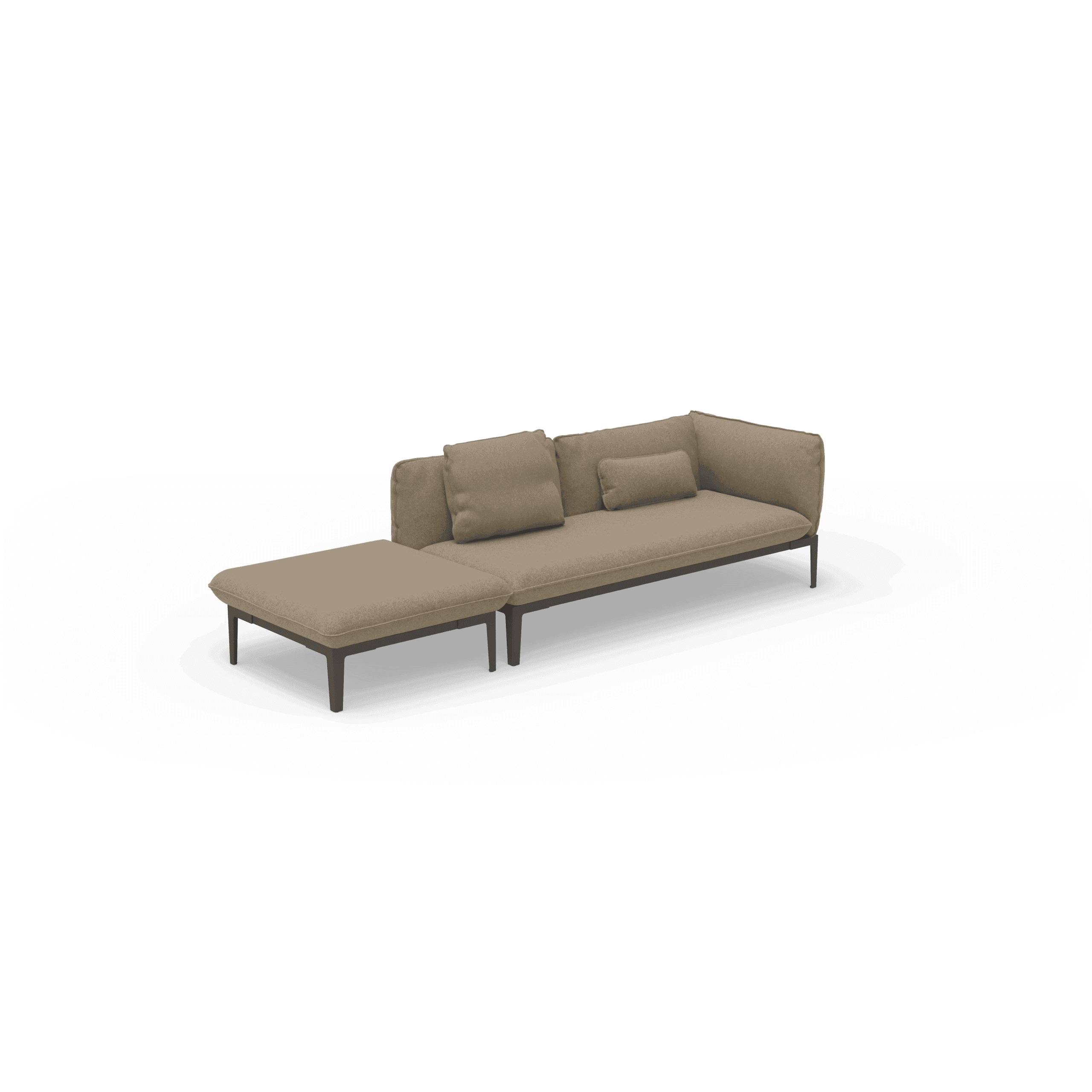
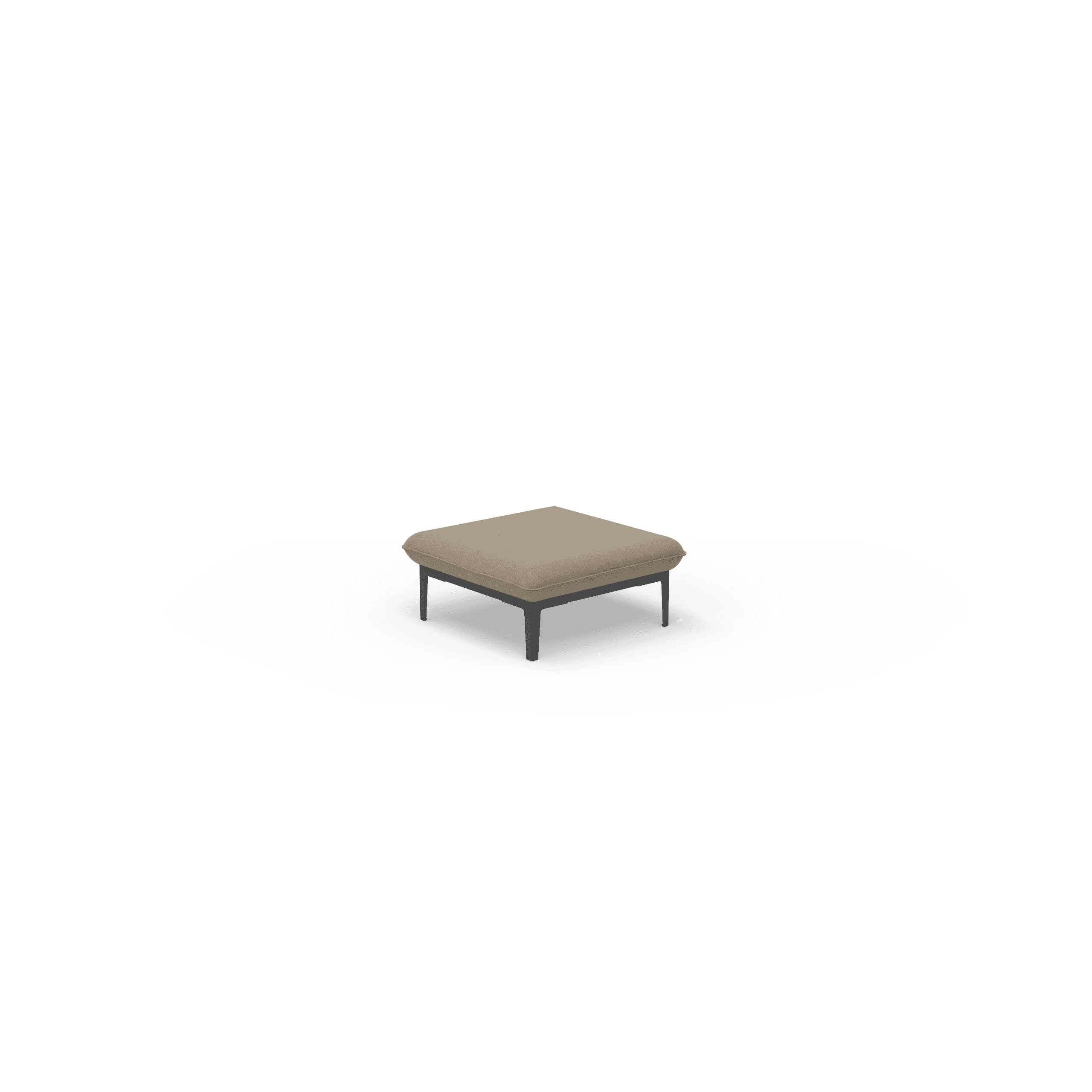
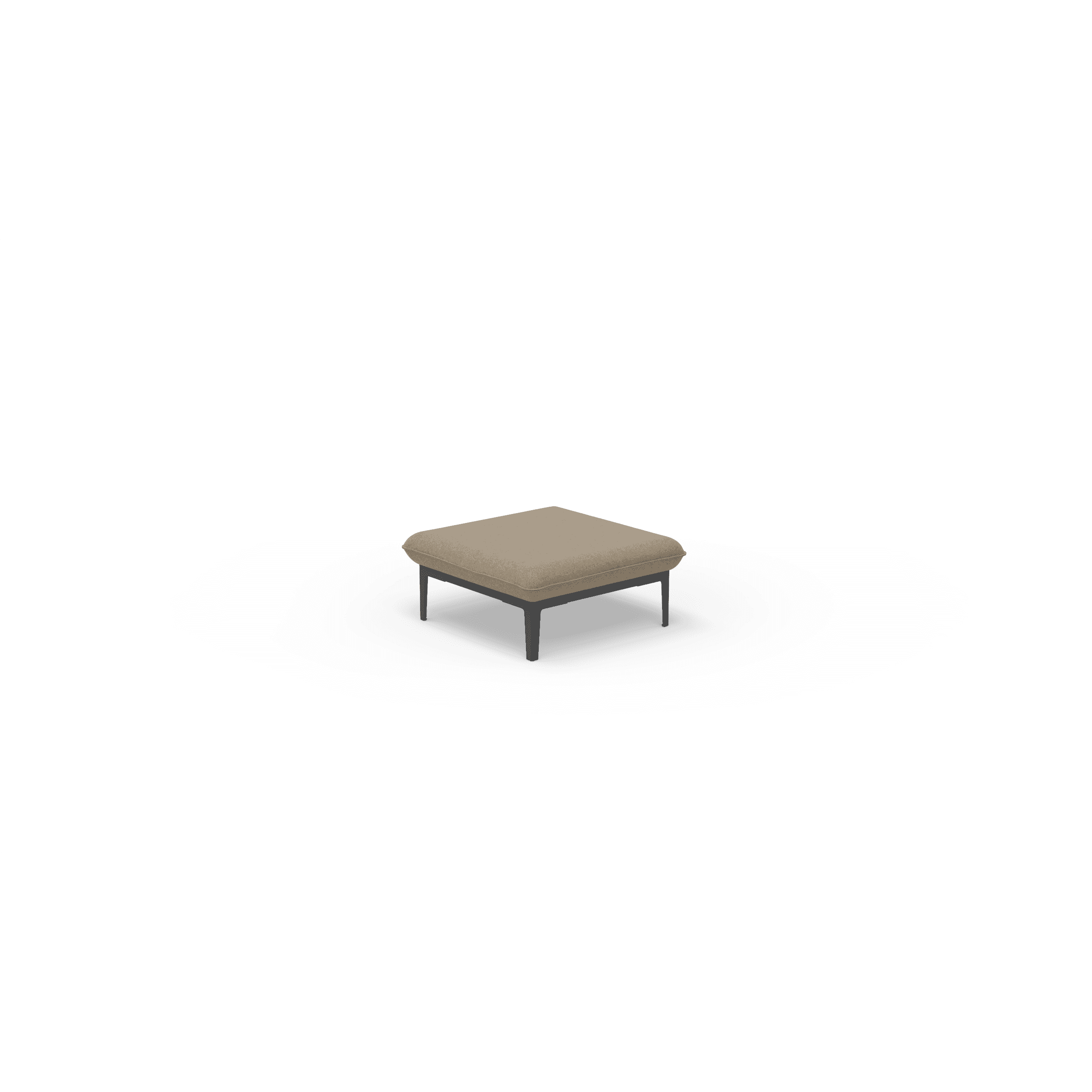
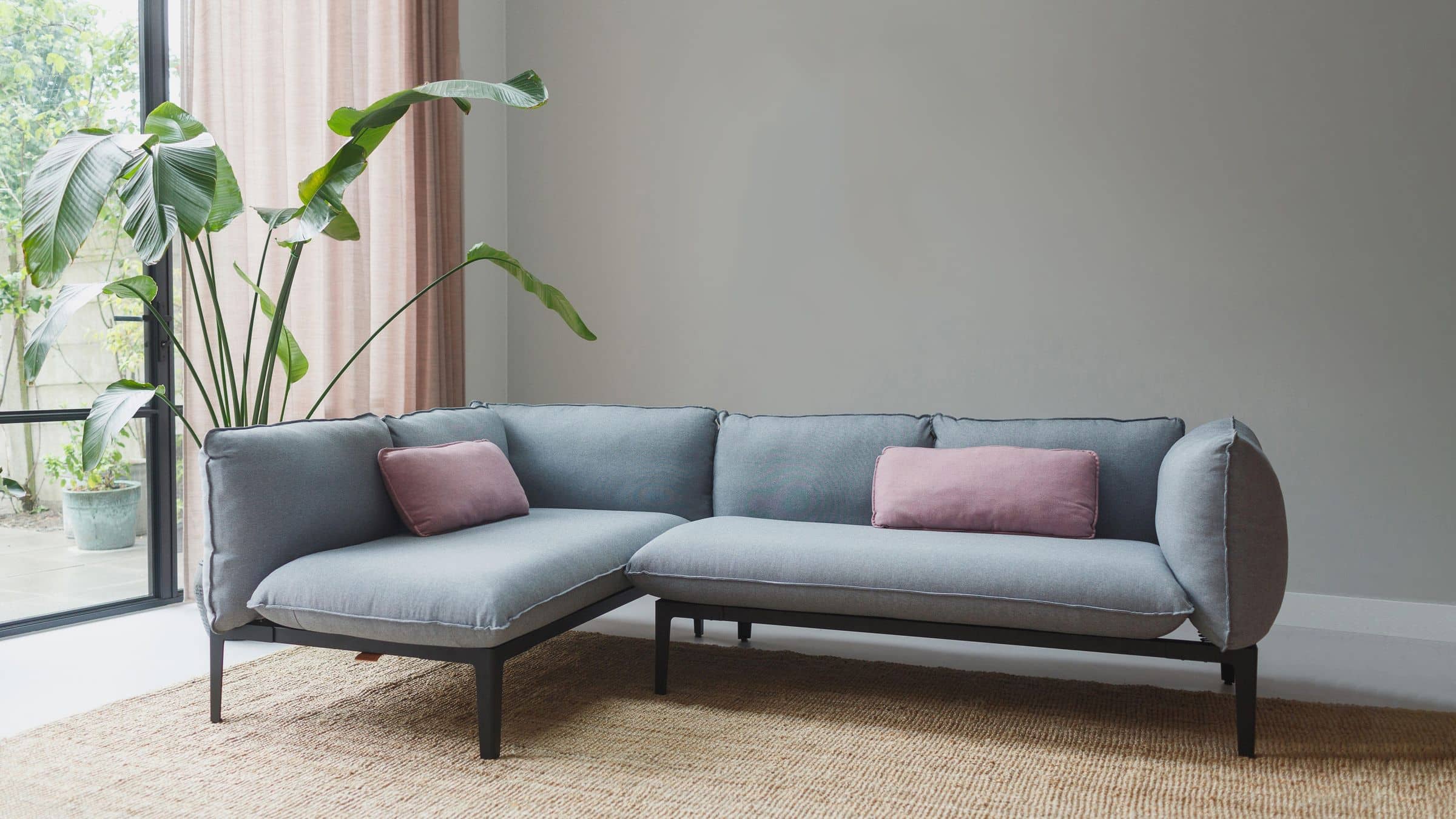
Furniture designed to be modular offers flexibility without needing to buy new pieces. A sofa can consist of loose modules you can rearrange: a corner sofa becomes a straight sofa, or you add an extra hocker.
By centring modularity, minimalist living doesn't become static. It's a lifestyle that grows with your needs.


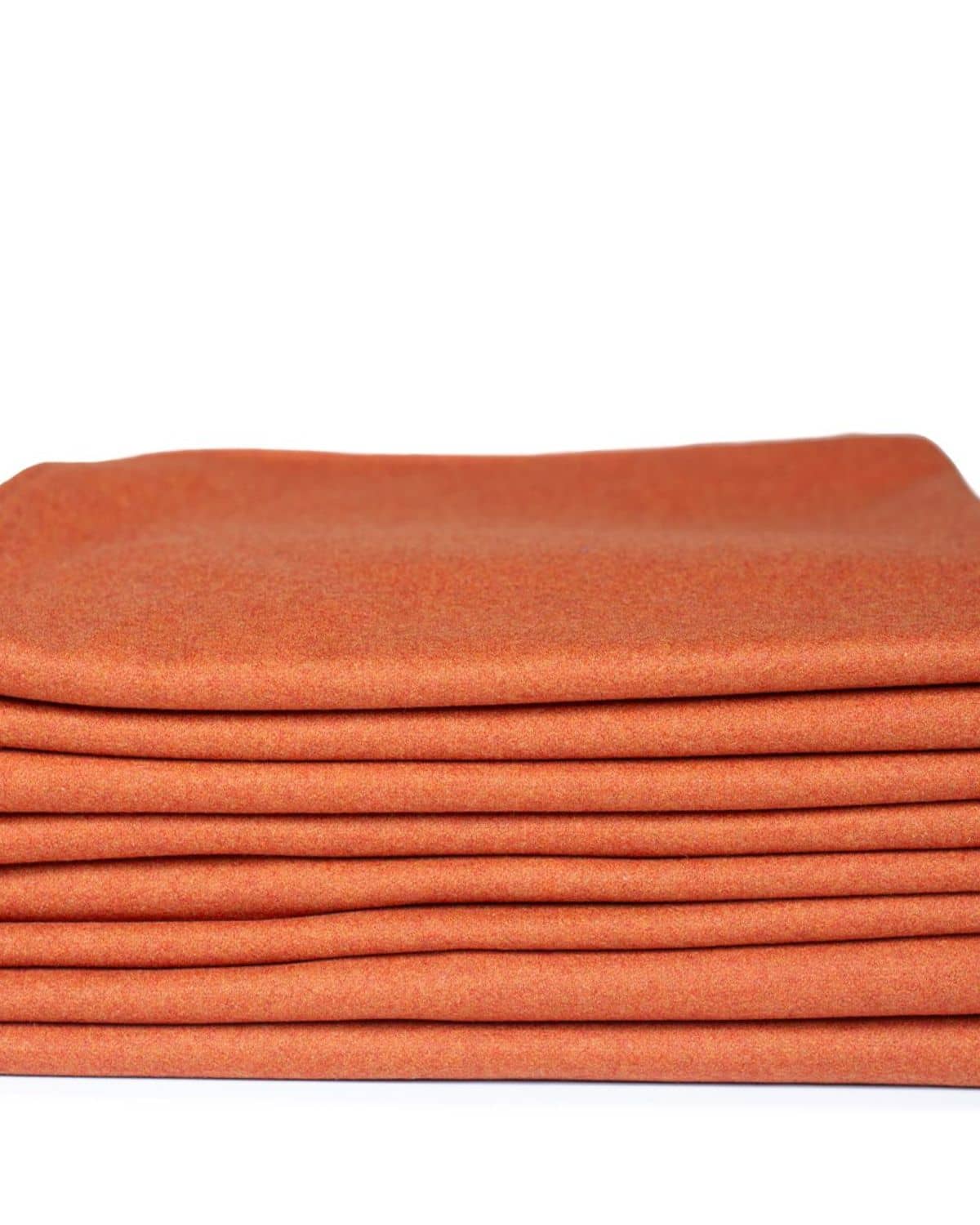
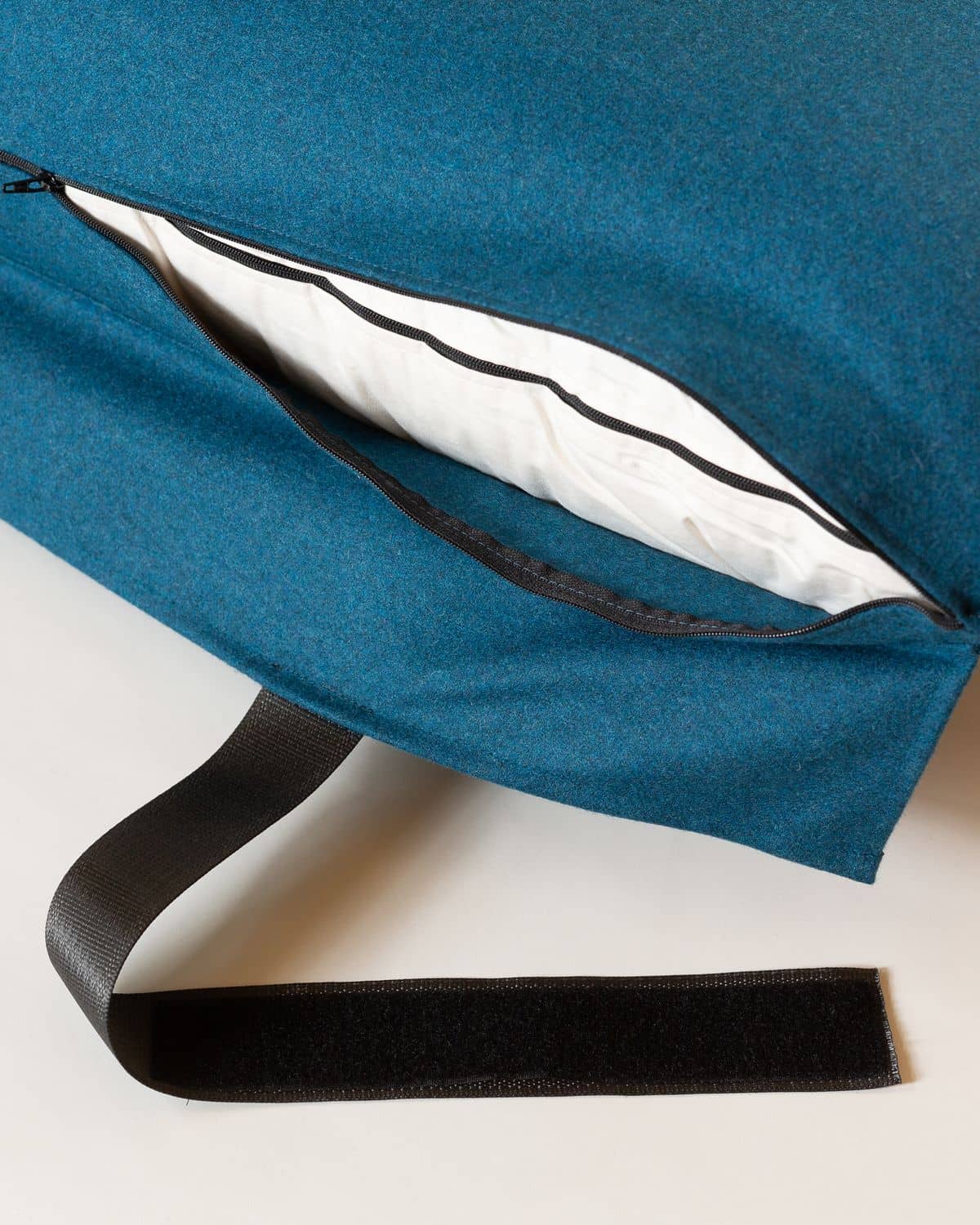
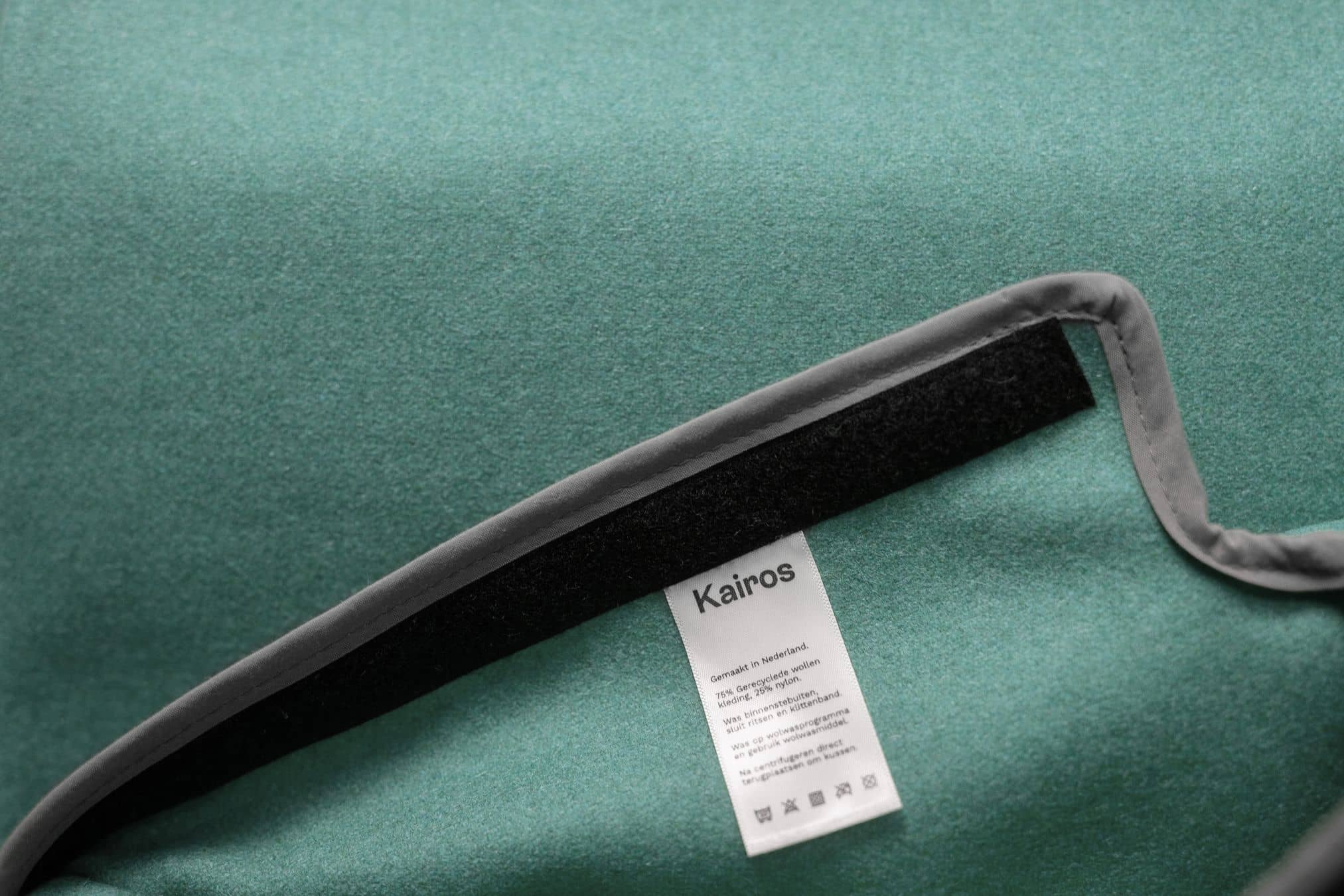
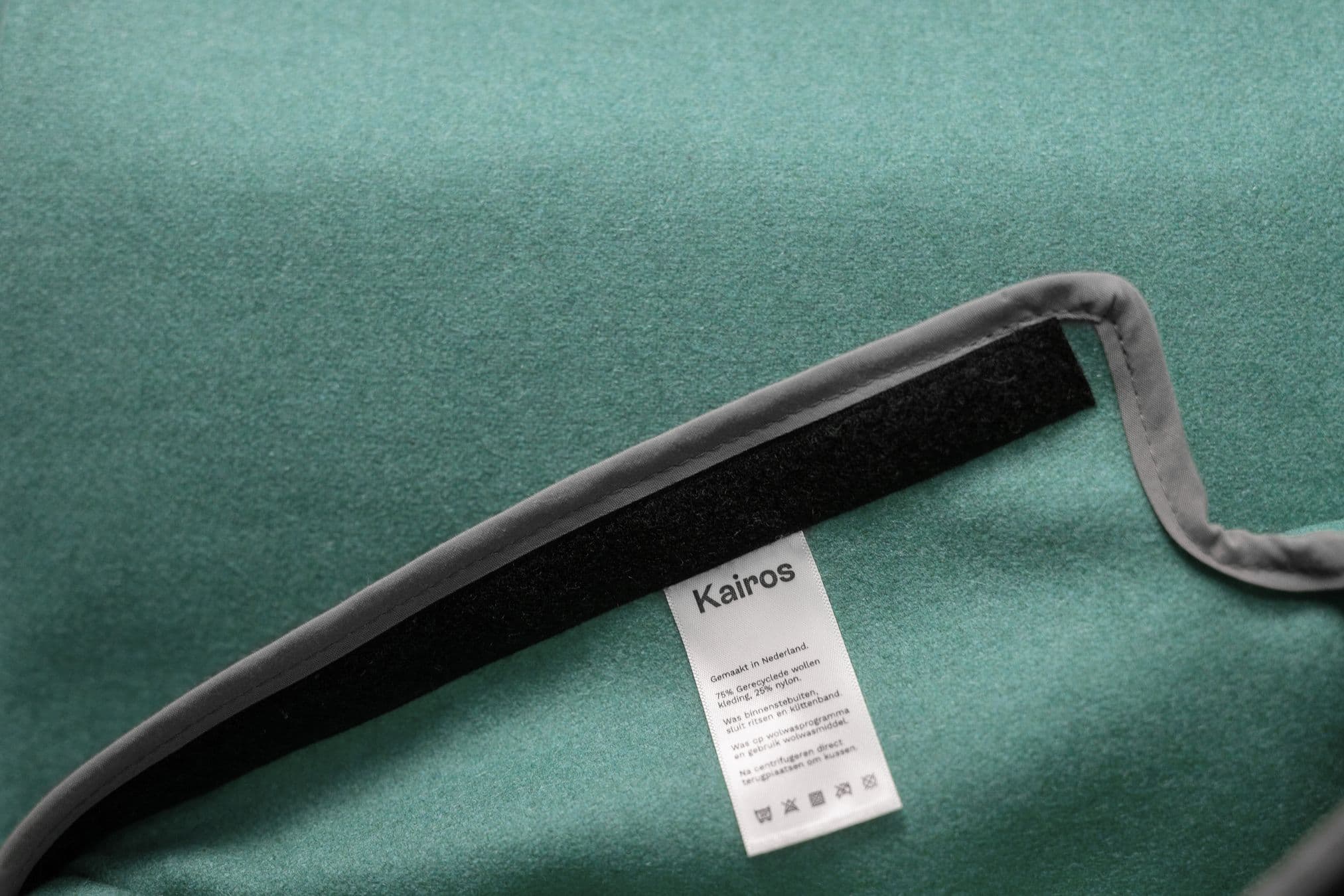
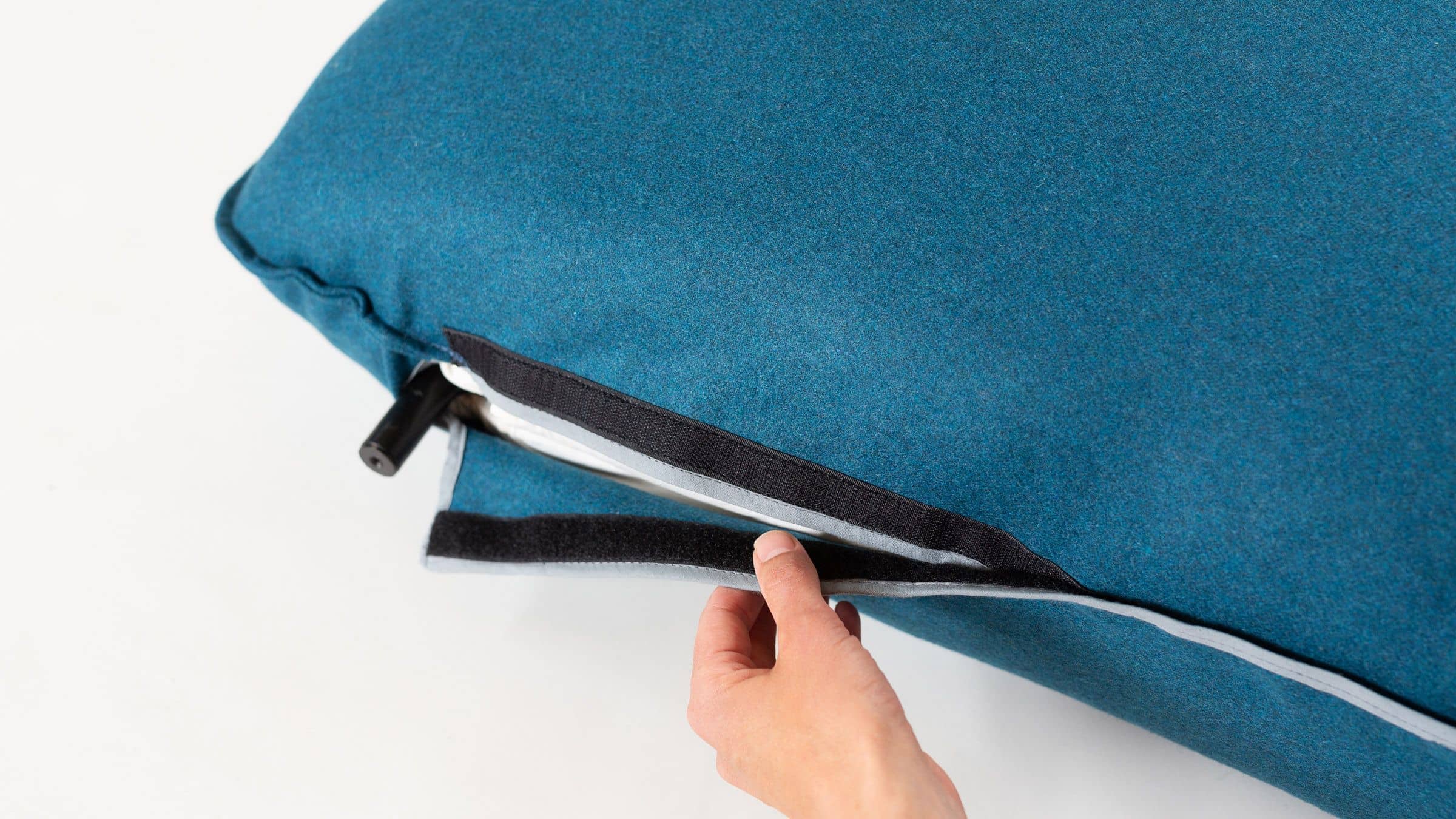
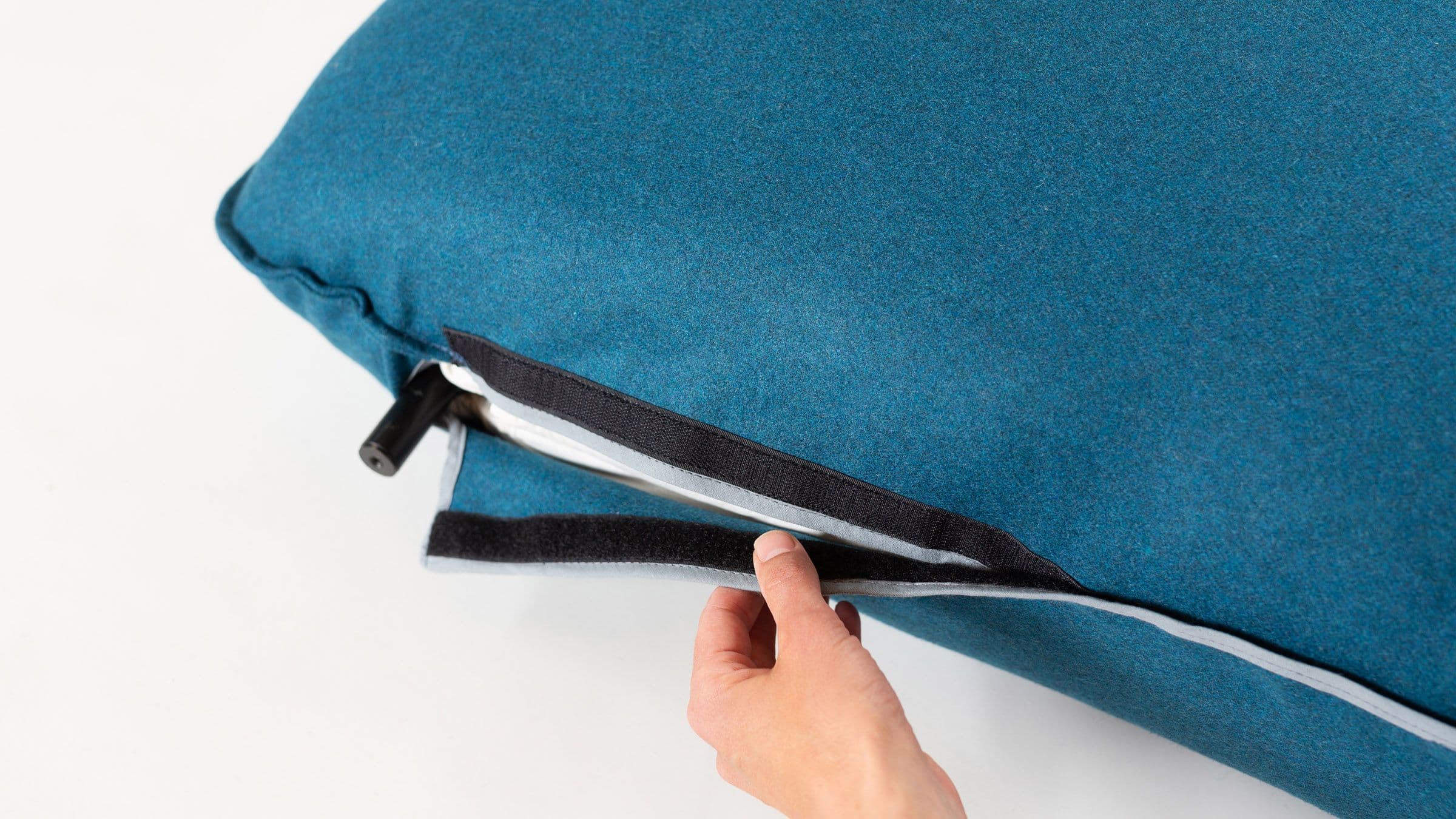
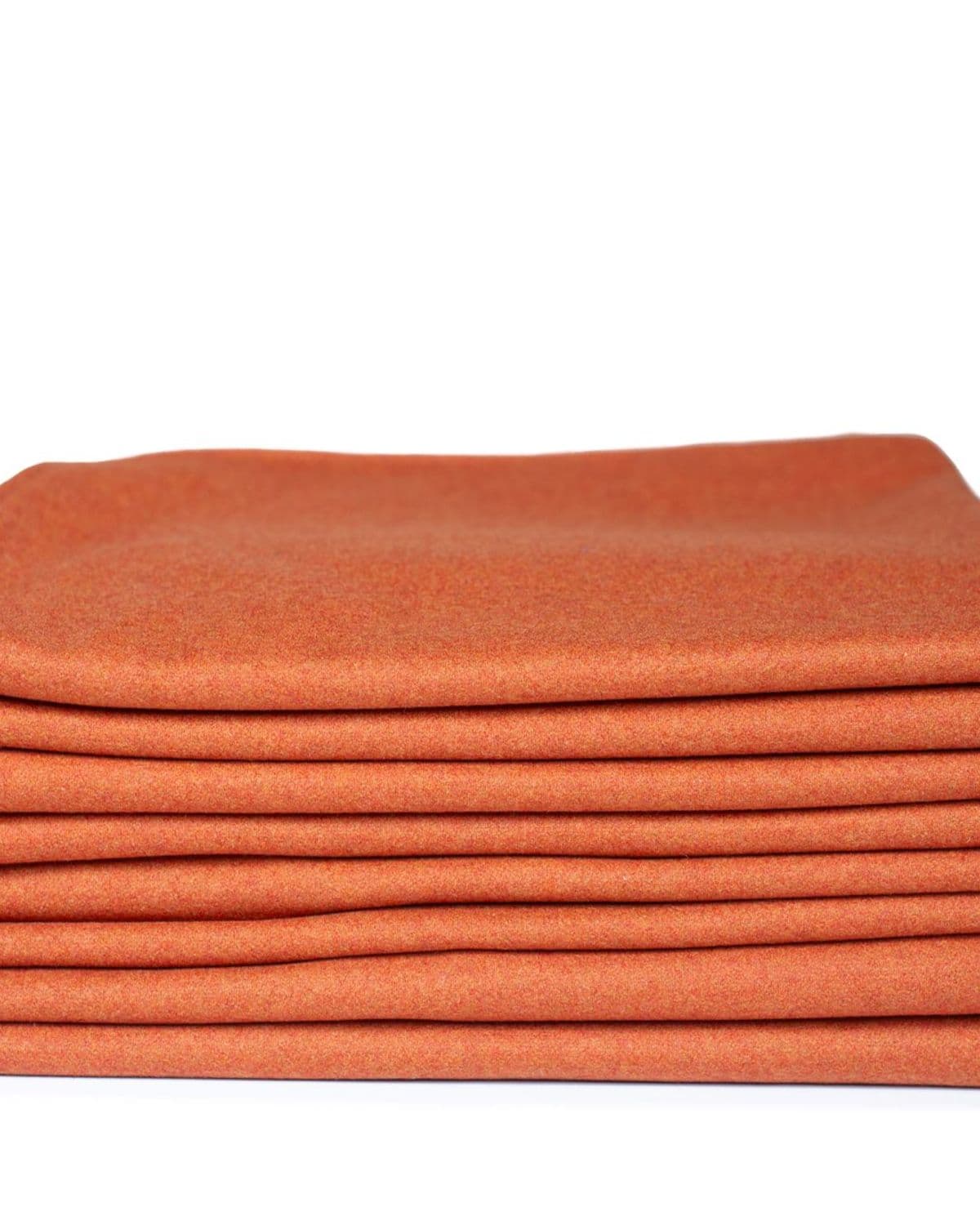 Washable coversAll covers are removable and machine-washable on a gentle cycle. Keep your sofa fresh, always.
 Refillable cushionsThe cushions are easy to refill, so your sofa maintains its comfort — year after year.
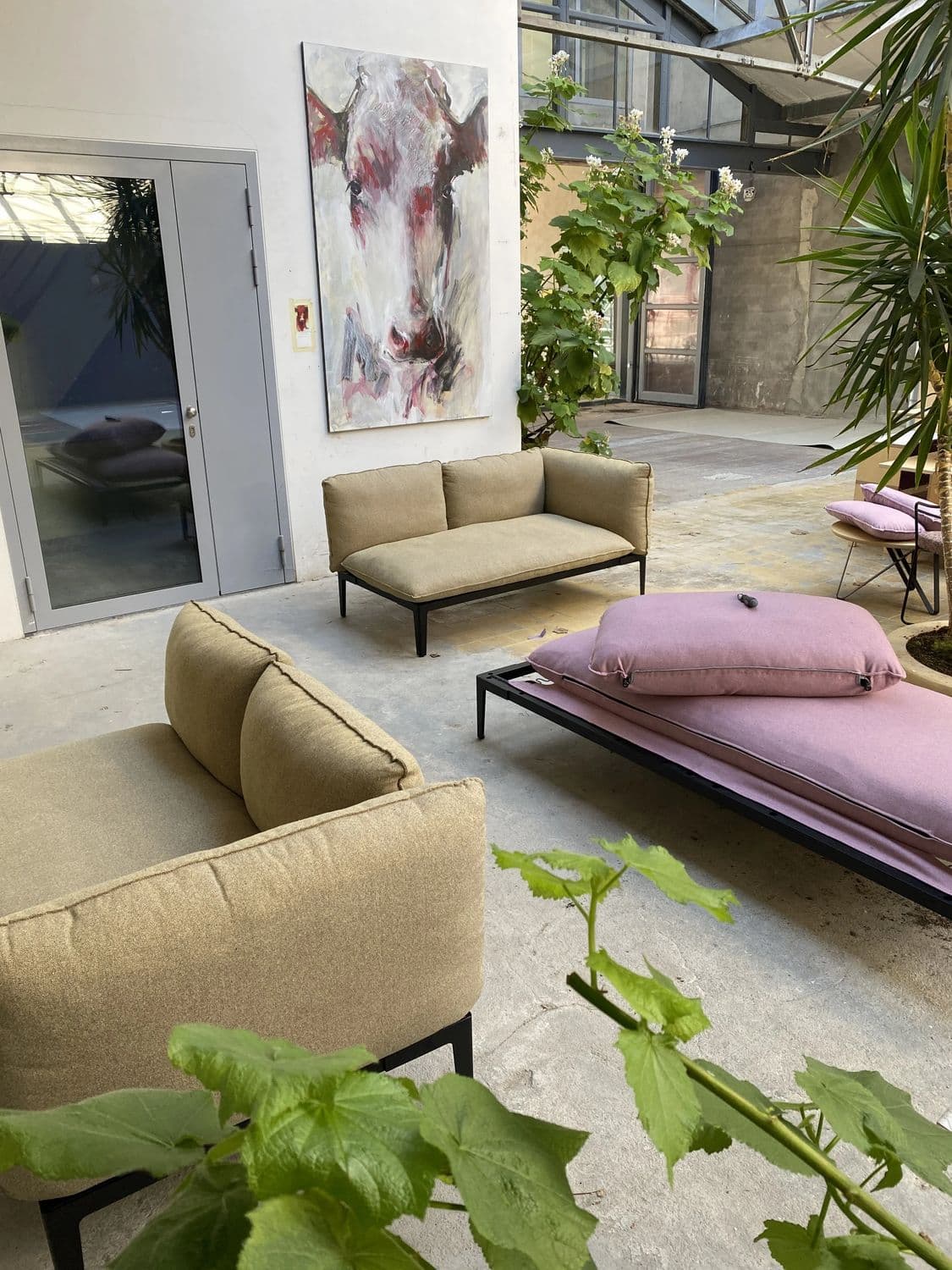 Modular systemConfigure your sofa exactly the way you want: from a compact corner sofa to a spacious lounger.
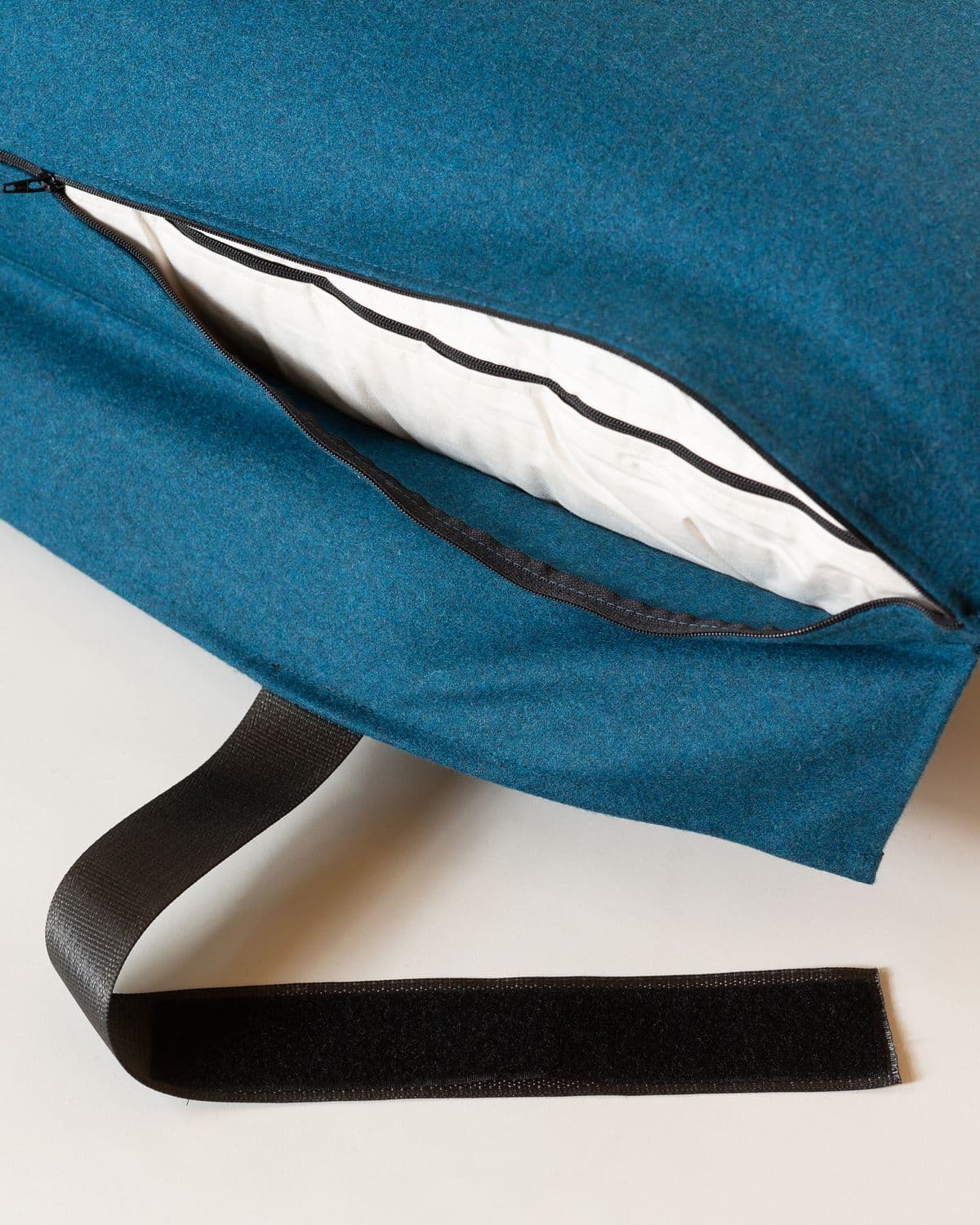 Self-maintain and repairEverything is replaceable and repairable — from covers to springs. You keep your sofa like new.
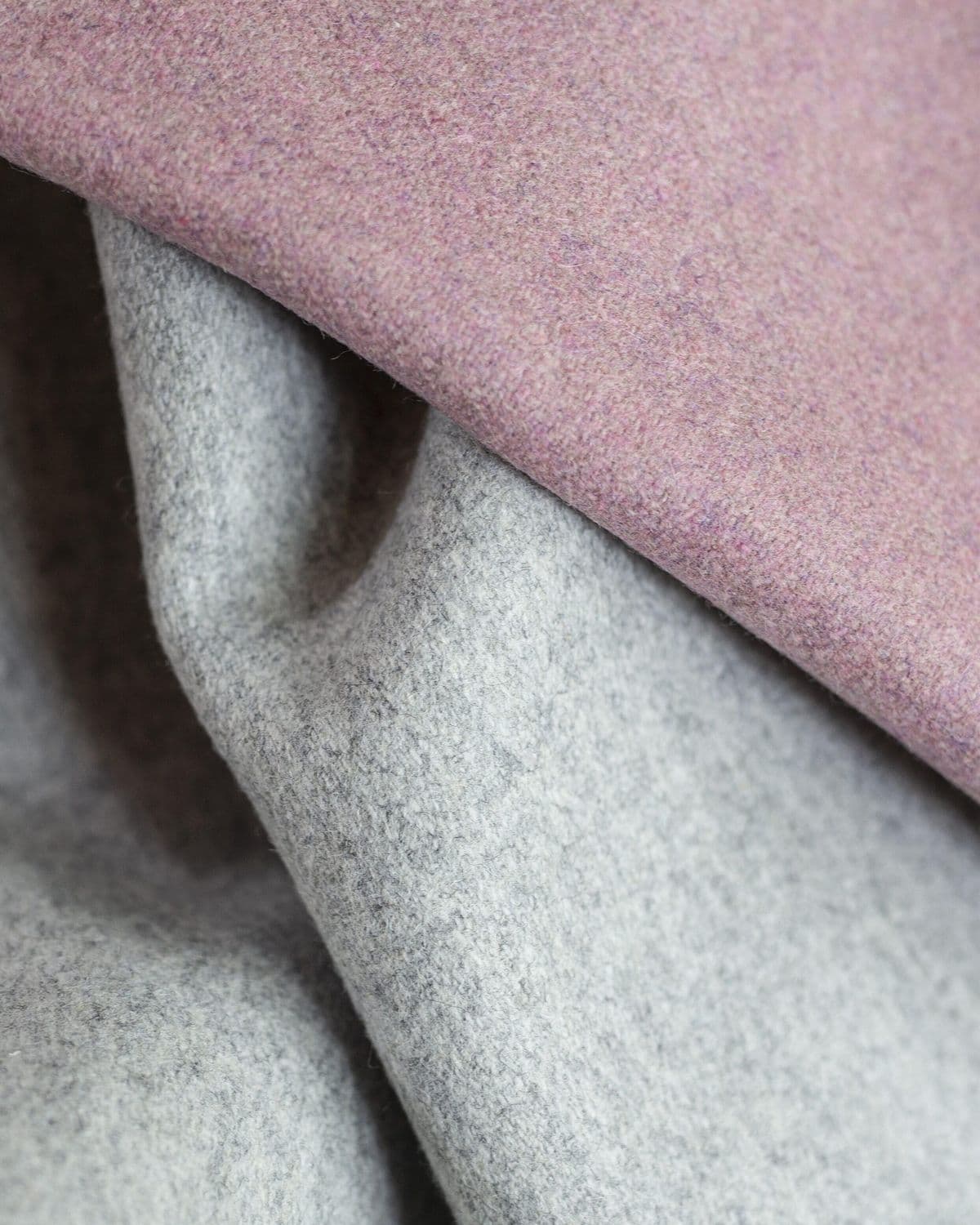 Premium materialsFabrics up to 100,000 Martindale cycles, a steel frame, and durable fillings for years of comfort.
 Materials passportFull transparency about the materials in your sofa — from fabric to frame.